Tara River Canyon: The Slow-Travel Secret Hiding in Montenegro's Mountains
A destination that combines adrenaline, geology, and near-untouched nature in one trip, the Tara Canyon delivers all three.


There are places to pick up the pace and just as many to slow down and immerse yourself in tranquility. Tara River Canyon falls squarely into the latter category.
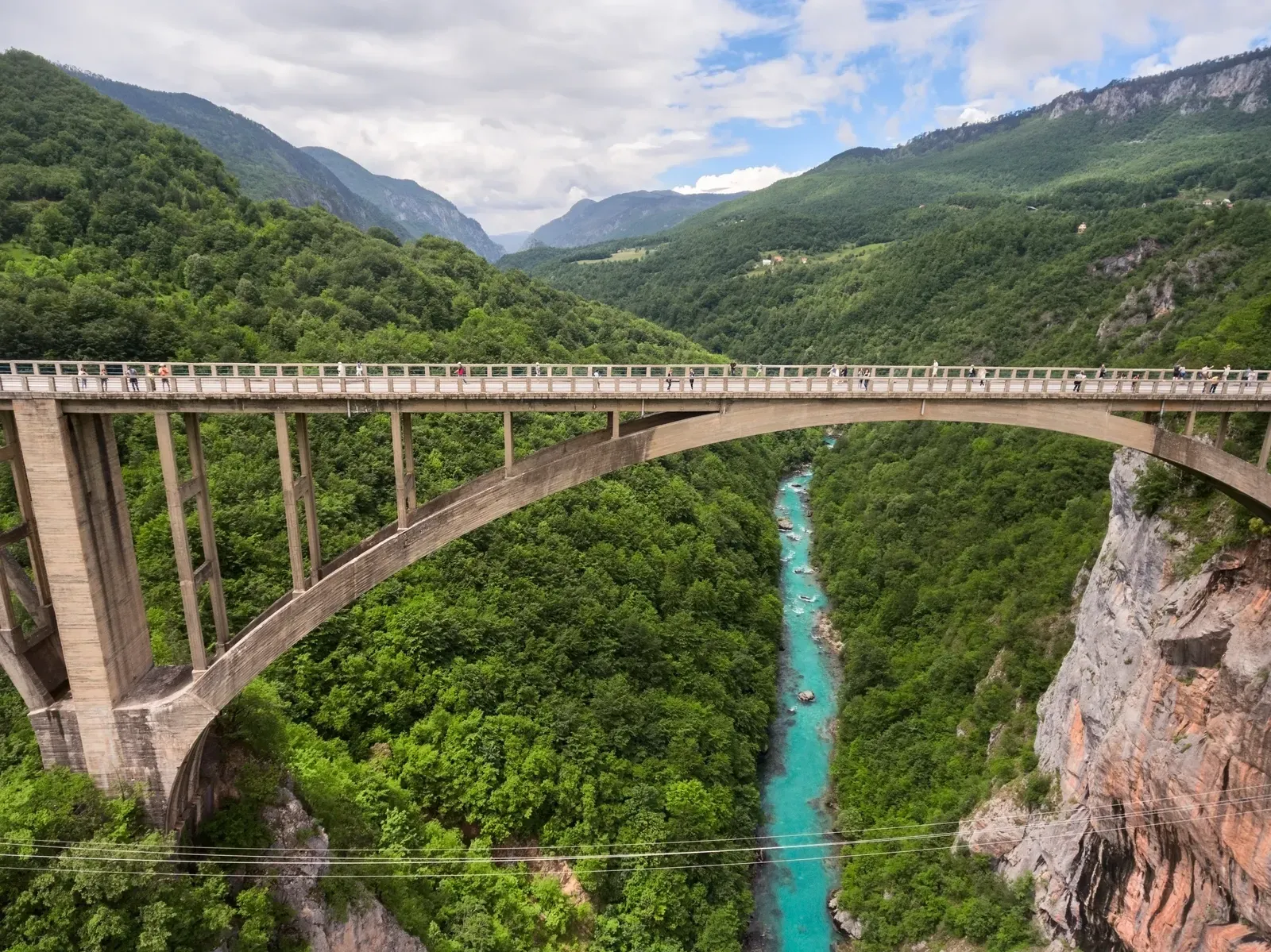
Tucked into the northern highlands, inside Durmitor National Park, this UNESCO-protected gorge is the deepest canyon in Europe and the second-deepest on the planet, yet it rarely appears on the well-worn tourist trail.
That, in many ways, is exactly the point. For travelers who prefer a quiet forest path over a crowded viewpoint, the Tara River Canyon offers something increasingly rare: space, silence, and time.
If you've never heard of it, that's not surprising. While the Grand Canyon draws millions of visitors a year, the Tara River Canyon still feels like a discovery.
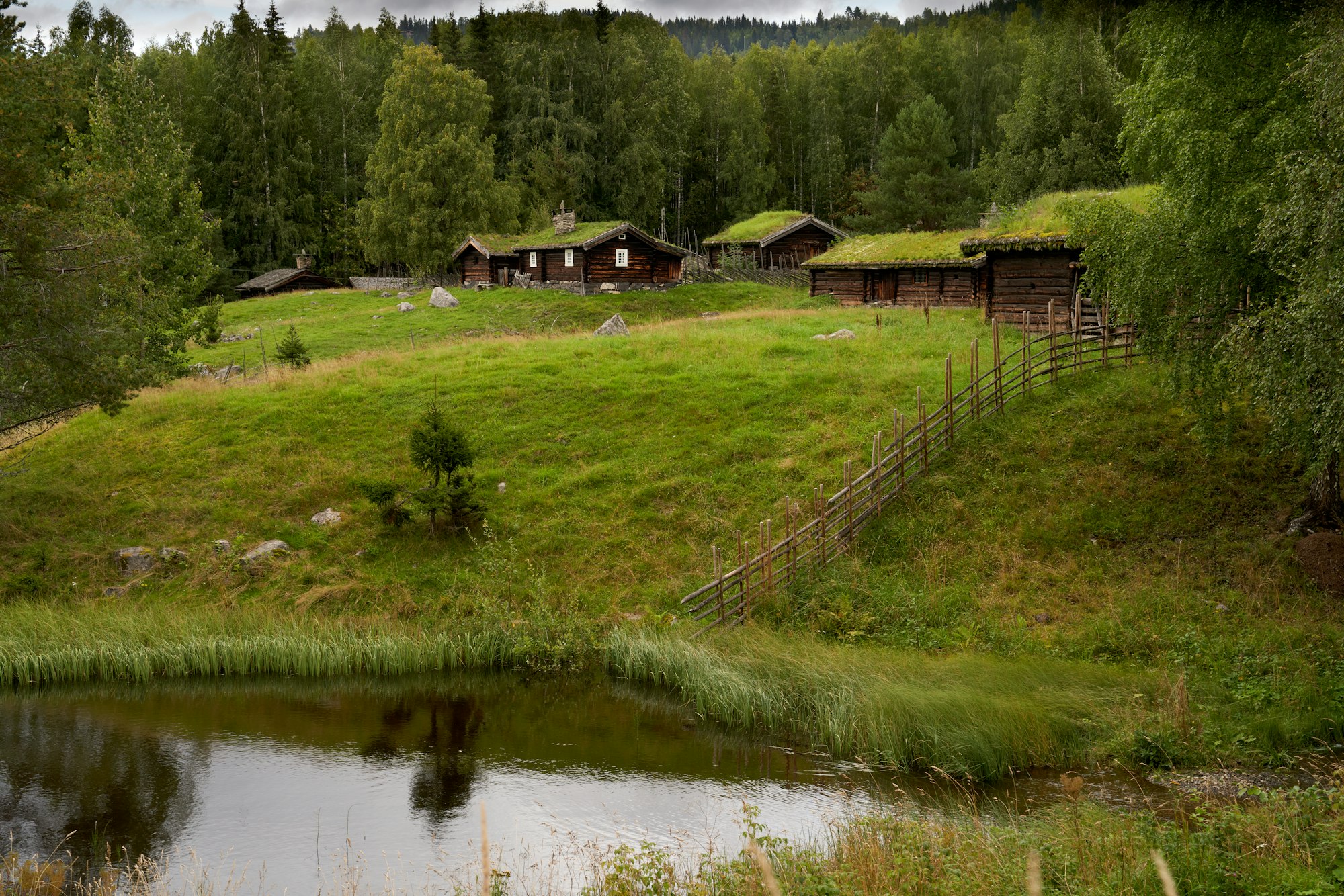
Locals call it the "Tear of Europe," a nod to the river's astonishing clarity, and the name fits. The water is cold, clean, and turquoise, running for roughly 80 kilometers through a landscape of limestone cliffs, pine forests, and hidden caves.
There's no rush here. No queues, no ticketed time slots. Just a river carving its way through the mountains, much as it has for millions of years.

Slow Travel and Tara River Canyon are synonymous
Slow travel is about depth over speed — staying longer, moving gently, and letting a place reveal itself instead of rushing through a checklist.
The Tara River Canyon isn't a destination you tick off in an afternoon. The nearest town, Žabljak, sits at nearly 1,450 meters above sea level, making it the highest town in the Balkans, and it works best as a base for several unhurried days rather than a single stop on a whirlwind itinerary.
Spend a morning walking to the Ćurevac viewpoint, where the canyon opens up beneath you without another soul in sight.
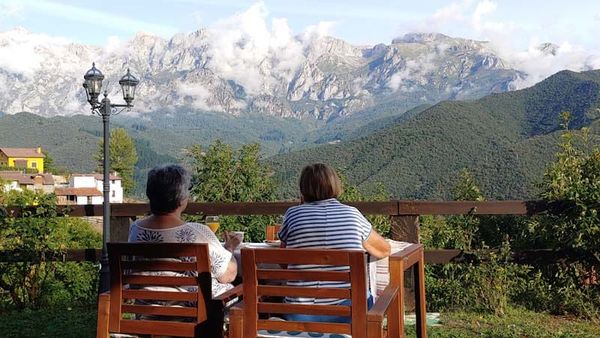
Spend an afternoon on a slow paddle instead of an adrenaline-packed rafting sprint. Sit by the water near the Đurđevića Tara Bridge and simply watch the light change on the cliffs.

A landscape worth protecting, and worth respecting
The Tara River Canyon's special quality is how carefully it's been preserved. It sits within Durmitor National Park, a UNESCO World Heritage Site, and the surrounding river basin was recognized as a UNESCO Biosphere Reserve back in 1977 for its exceptional water quality.
That protection matters for slow travelers, because it's precisely what has kept the region free of overdevelopment.
Dense black pine forests, some more than 450 years old, still stand untouched in the Crna Poda reserve. Brown bears, wolves, chamois, and golden eagles still call this place home.
Traveling slowly here means traveling gently, too, leaving the ecosystem as it was found.
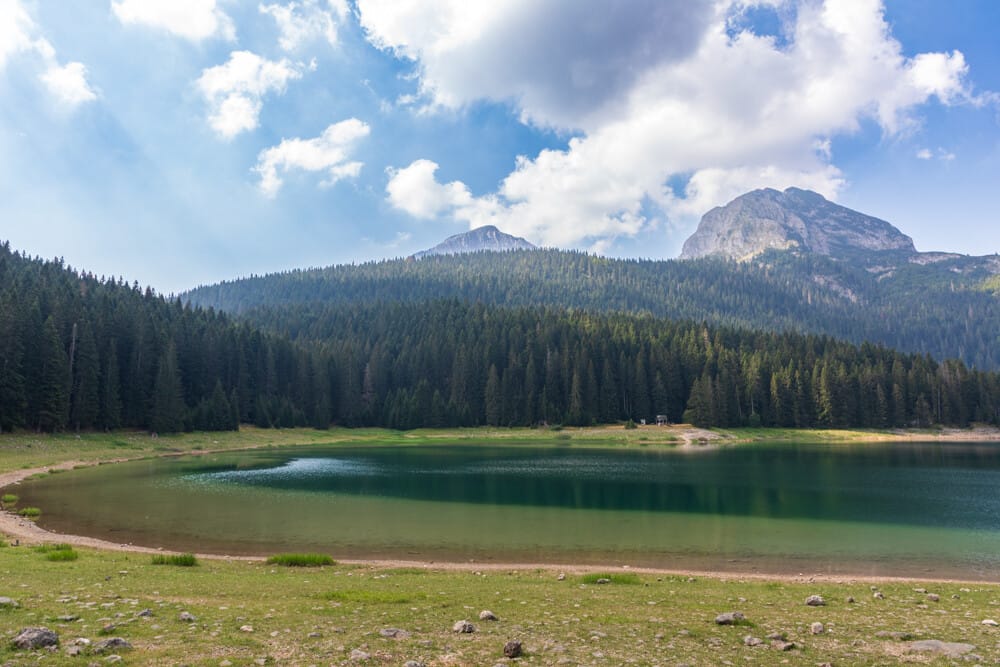
Running out the Rush
A place to escape and connect with nature and yourself. That's exactly what Tara River Canyon offers.
Reaching the Tara River Canyon is part of the experience rather than an obstacle to get past.
From the Adriatic coast — Kotor, Budva, or Tivat — it's a scenic drive of a few hours through changing landscapes, from seaside towns to alpine plateaus.
From the capital, Podgorica, expect roughly two to three hours by car. The roads wind through the mountains, and that's reason enough to build in an extra day rather than treating the drive as a formality.
A small entrance fee, around three to five euros per vehicle, applies when entering Durmitor National Park.
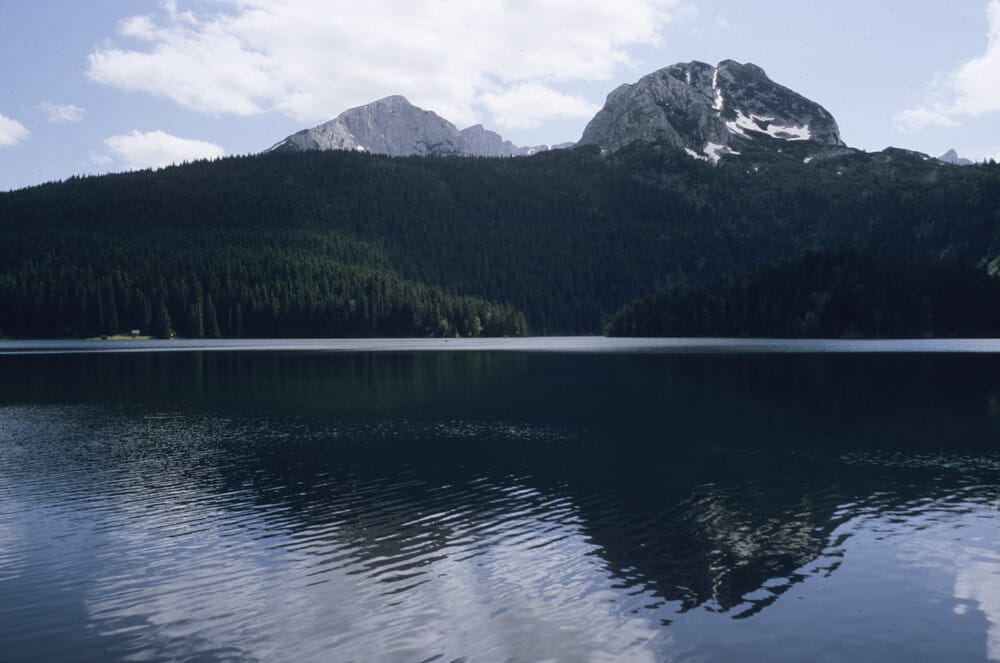
Plan Around the Seasons
Timing matters for a slow trip to the Tara River Canyon
- Summer, from June through September, brings the most stable weather, with daytime temperatures between 19 and 24°C, making it the easiest season for hiking and gentle river days.
- July is the sunniest month, though afternoon storms do roll through occasionally, so a light rain layer is worth packing.
- Spring and autumn are quieter still, with fewer visitors and cooler air, though rainfall picks up, especially in November.
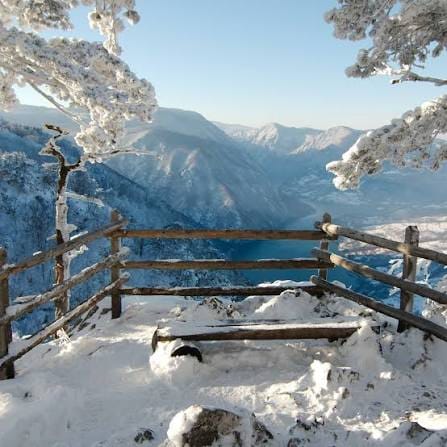
- Winter transforms the region entirely: heavy snow, sub-zero temperatures, and a slower pace still, just a colder one, ideal for travelers who enjoy a snowbound mountain retreat over a summer escape.
A place to linger
What makes the Tara River Canyon so well suited to slow travel isn't a single attraction — it's the accumulation of small, quiet moments.
A hike to a lesser-known viewpoint. A conversation with a local guide who's rafted the same stretch of river for twenty years. An evening without a single notification worth checking.
In a region of Europe often associated with fast-paced coastal tourism, this canyon offers the opposite: a reminder that some landscapes are best experienced slowly, on their own terms.
Just as supporting large mass media outlets is important, so is supporting independent and real journalism.
Plan V is an independent digital magazine dedicated to making your travels better experiences for both you and the destination.
Thank you for visiting; your support makes this possible.
FAQS
Is Tara River Canyon worth visiting?
Yes. As Europe's deepest canyon and part of a UNESCO World Heritage site, it offers dramatic scenery, rich wildlife, and a level of quiet that's increasingly hard to find elsewhere on the continent.
Can you swim in Tara Canyon?
Yes, in designated spots along the river, particularly during the warmer summer months. The water stays cold year-round, so it's best suited to a refreshing dip rather than long swims.
What is there to do in the Tara River Canyon?
Visitors can go rafting, hiking, zip-lining, wildlife watching, and, in winter, skiing nearby. There are also calm river spots for swimming and simply relaxing by the water.
What is the second deepest canyon in Europe?
The Tara River Canyon itself is Europe's deepest, reaching around 1,300 meters. It ranks as the second-deepest canyon in the world, just behind the Grand Canyon in the United States.
 Pamela Herrera