Dana Biosphere: Jordan's Largest Nature Reserve
One wild day told through one full day on foot with the Bedouin who call it home.

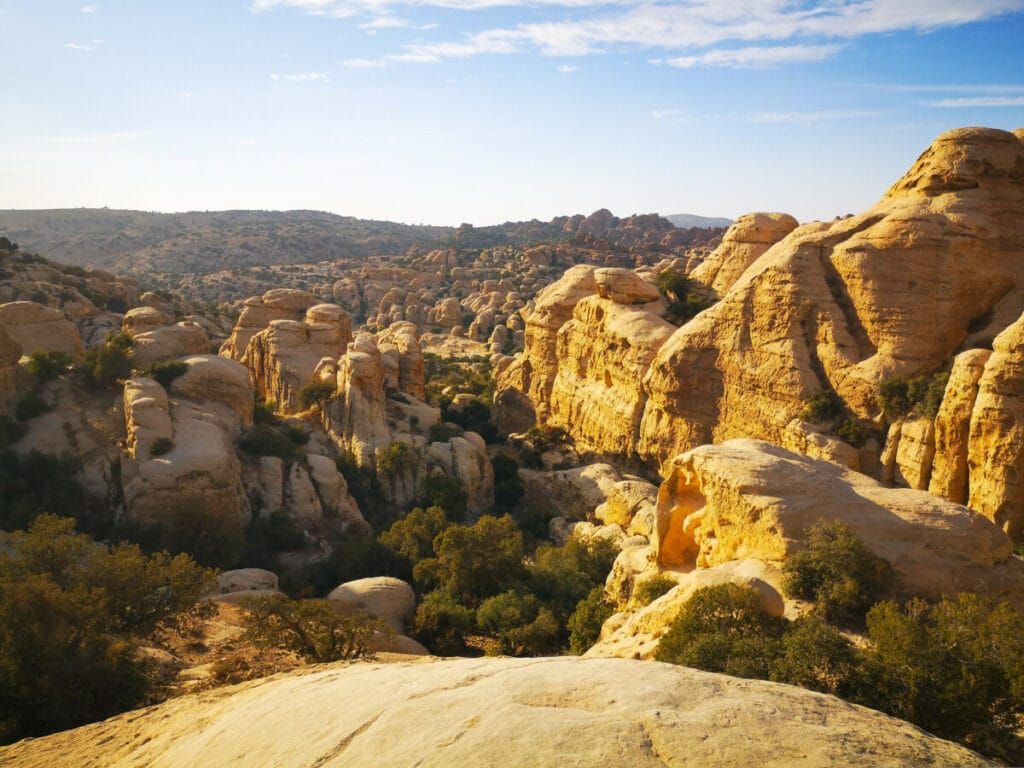
I need to introduce you to the only place in the world that serves as a meeting point for species from three continents: Europe, Asia, and Africa. This reserve encompasses four biogeographical zones (Mediterranean, Irano-Turanian, Saharan-Arabian, and Sudanese) and is known as the Dana Biosphere Reserve.
Here, more than 800 plant species and 449 animal species live, 25 of which are endangered. It is here that the sand cat, the Syrian wolf, the lesser kestrel, and the spiny-tailed lizard coexist.
The Dana Biosphere Reserve is located three hours south of Amman on the King's Highway, near Tafilah at the western end of the Great Rift Valley in Jordan.
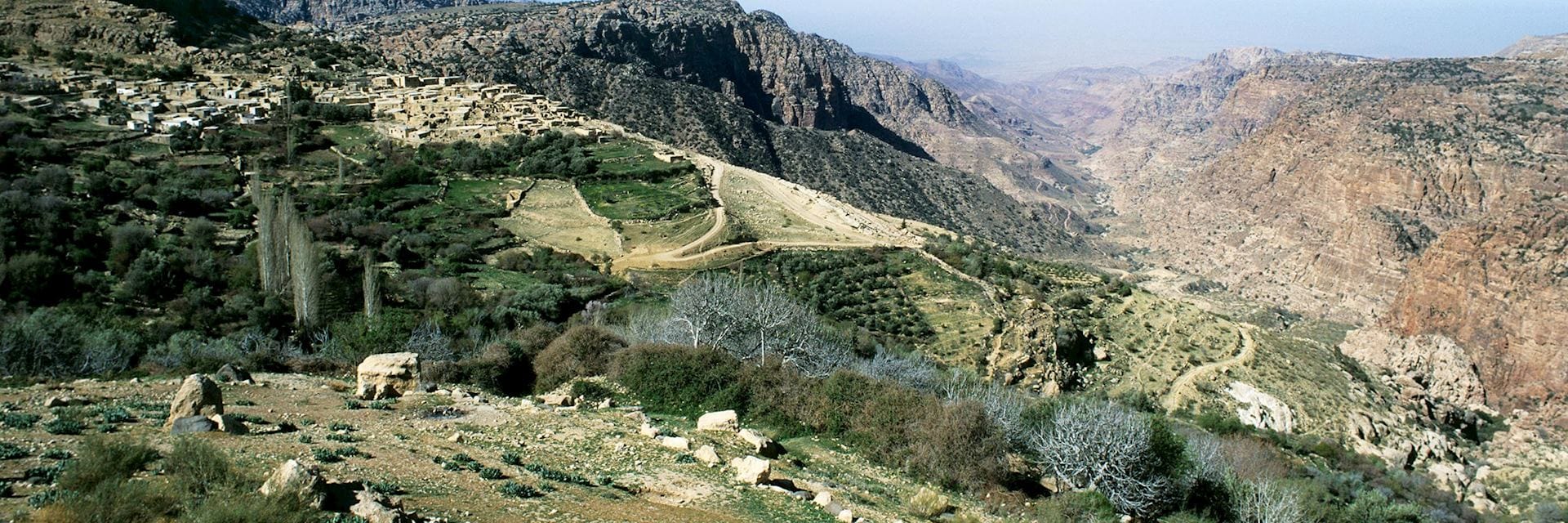
Coffee first, then the trail: Dana Biosphere Reserve
If it's your first time visiting the Dana Biosphere Reserve, I recommend taking the route most visitors do: the Wadi Dana Trail.
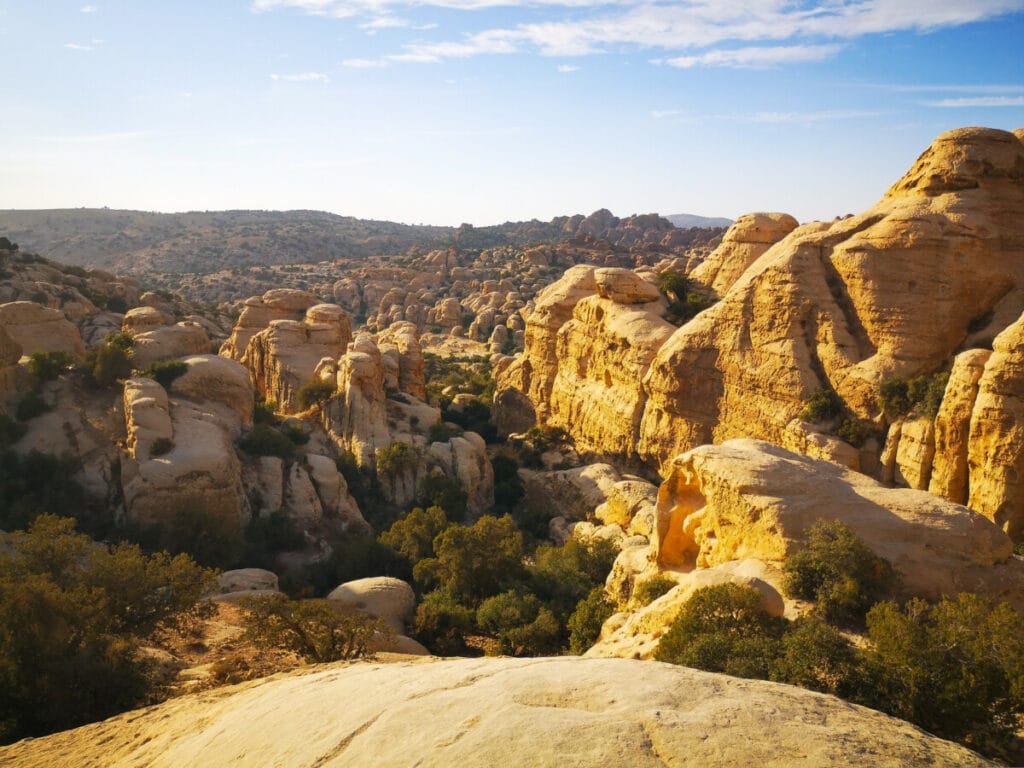
This descent takes a full day because it starts in a village in the highlands, crosses through sandstone canyons, and ends in the Feynan Desert.
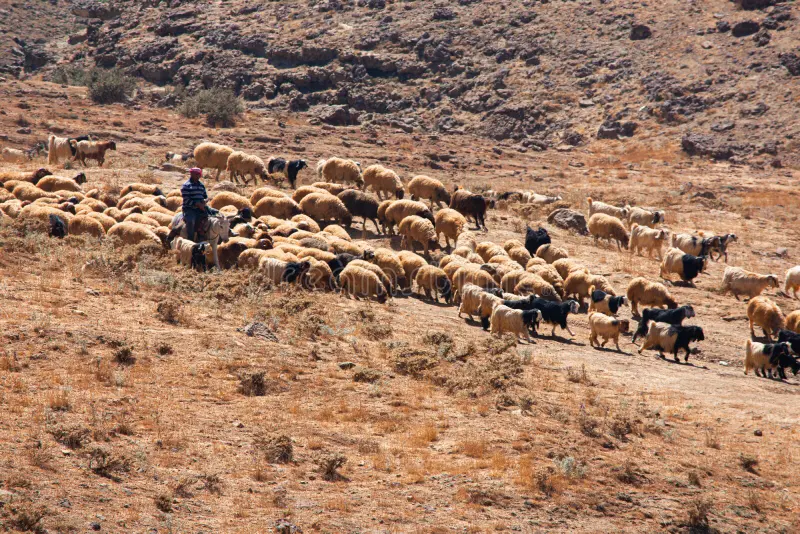
Along the way, you'll be accompanied by shepherds walking with their goats, see ancient terraced gardens cultivated by local families, and, with patience and luck, you might even spot a Nubian mountain goat from a ridge.
Halfway through, the landscape changes completely. You leave behind the cool juniper forest and enter the sun-drenched desert.
At this point, you can rest at the Feynan Ecolodge, a hostel for travelers powered by solar energy and without electricity after dark.
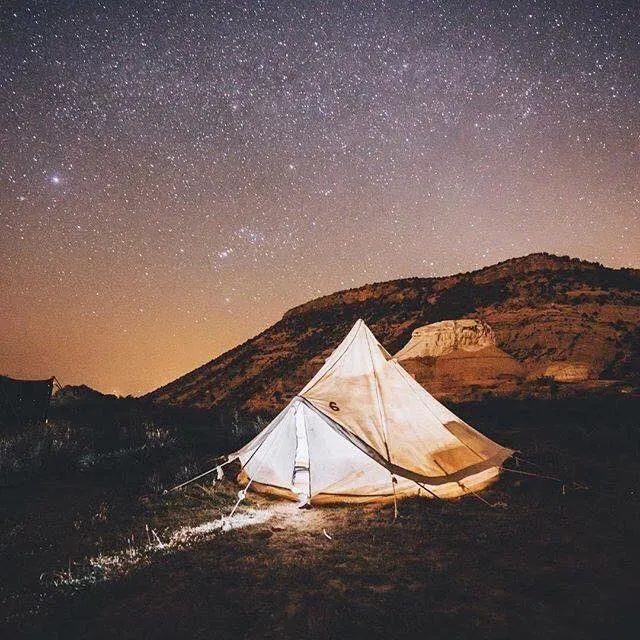
Sip mint tea while you watch the sun set, and the stars begin to illuminate every inch of the sky. Suddenly, it's time to rest and leave the rest for the next day.
You can also camp there if you bring the appropriate equipment. So it's another way to experience the Dana Biosphere Reserve in a truly unique way.
This first day is the reason why many travelers, if not all, return from the Dana Biosphere Reserve to tell all their friends about this place.
An Exclusive Destination
We often think that exclusivity is synonymous with luxury, but the reality is that places like these can give both words a new meaning.
The Dana Biosphere Reserve is exclusively for travelers who prefer to slow down, learn about local cultures, take the time to appreciate what nature has taken millions of years to build, and enjoy something as simple as being present.
Those who enjoy exploring places less frequented by mass tourism and don't need air conditioning or bathroom amenities now have a new destination to add to their bucket list.
For others, the opportunity to see a starry sky without light pollution is the true luxury. This place in Jordan offers just that.
Choose Your Dates
Some routes, including Rummana Mountain, White Dome, and the Cave Trails, are only open from March 15 to October 31. Guided tours are closed during Ramadan.
- The peak season runs from May to September or November, precisely because all routes are open and temperatures are warm and pleasant.
- During the summer, between June and August, the heat is intense in the lower Wadi Araba area near Feynan.
- The winter season, from December to February, is the low season. During this time of year, it sometimes rains, and at other times, it snows in the higher areas. There are fewer visitors, and most are photographers looking for a dramatic winter shot.
The Reality of this Journey
Of course, the most popular route is Wadi Dana, but that doesn't mean it's the only one. The Dana Biosphere Reserve has other trails as well.
- The Rummana Mountain Trail.
- The White Dome Trail through terraced gardens.
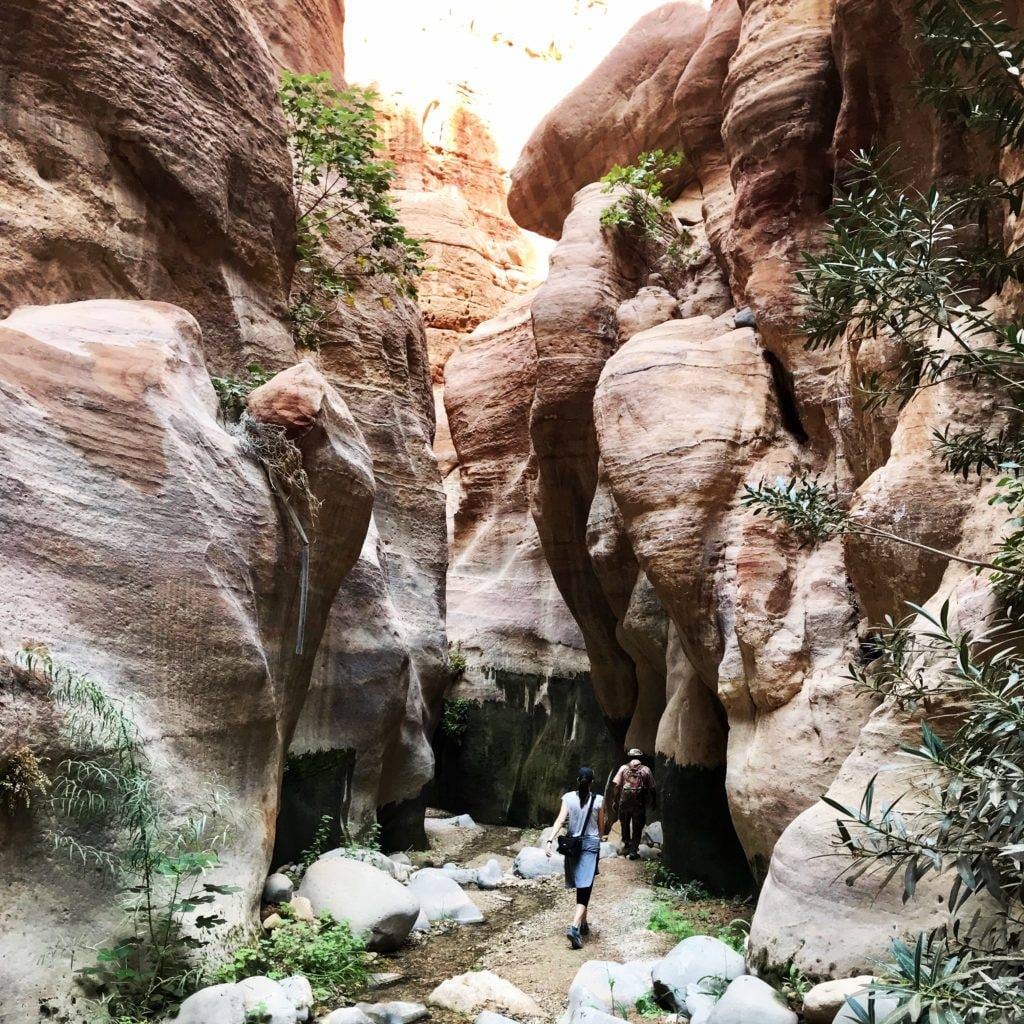
- And the Wadi Ghweir Trail, a river gorge often compared to Petra's Siq.
Some of the many trails are self-guided, while many others require a licensed local guide. This allows local Bedouin communities to earn extra income.
Although hiking is the main activity in the reserve, there's more to do. Joining in Bedouin activities like roasting coffee, baking bread in ash, making kohl, or spending the day with a herder are just some of the things that can enhance your travel experience and bring you closer to the local culture.
You can also go mountain biking, birdwatching during migration season, and visit the Roman-era copper mines located near Feynan.
Dana also leads you to two well-known trails:
- The Jordan Trail, from Karak to Dana, an 84.5 km hike taking five days.
- And the Dana to Petra trail, a 72.6 km hike taking four days. This latter trail was named by National Geographic as one of the 15 best hikes in the world. The most amazing thing is that it ends at a little-known, back entrance to Petra.
Petra is a must-see; it's one of the wonders of the world for a reason, but a detour along the way takes you to a place that, I promise you, is also a must-see on your trip through Jordan.
Before You Go, You Should Know
Weather
The temperature changes are drastic from the Mediterranean to the desert. In the mornings in Dana Biosphere Reserve, even in spring, you'll need a jacket; in the afternoons in Feynan—hundreds of meters lower—the heat is desert-like.
The recommendation is to wear warm clothing in layers, no matter the time of year you go.
Prices
The entrance fee to the reserve is approximately 8 JOD (11.30 USD), which does not include access to guided tours.
Accommodation at the Dana guesthouse or Rummana camp ranges from 23 to 90 USD per night.
Accommodation in Feynan is more expensive because it includes meals, guides, and transfers.
It is advisable to book meals directly with your accommodation because restaurants in the villages have irregular hours.
The Charm of the Place
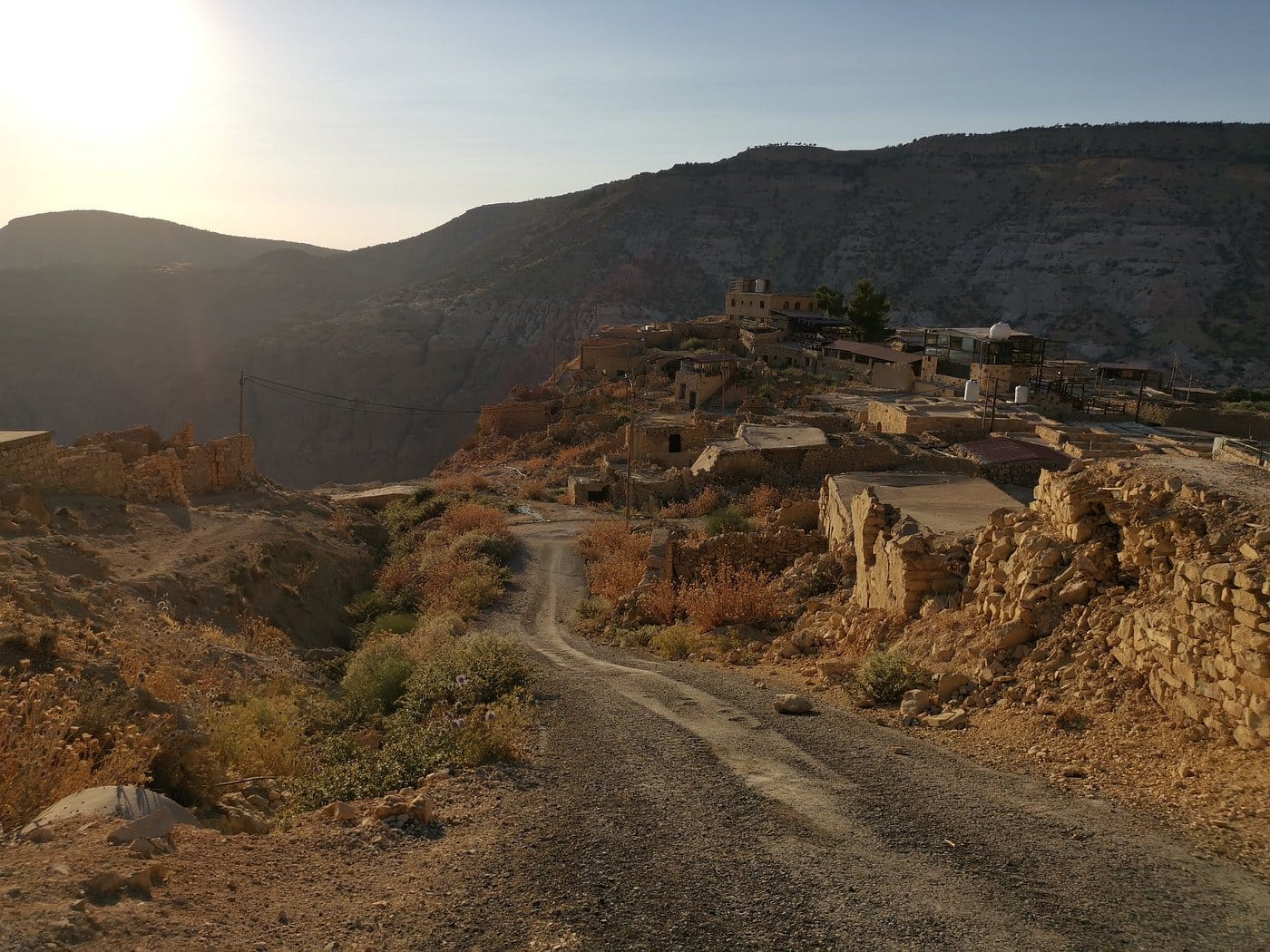
Besides being a UNESCO Biosphere Reserve since 1998, Dana Biosphere Reserve is a place rarely found on first-time Jordan itineraries.
And that's precisely why it's worth visiting on your first trip to this country.
Dana offers what Petra cannot: peace and tranquility. Meanwhile, the light-pollution-free night sky allows you to witness the conservation work of the Bedouin families who have lived here for generations.
Many travelers remember that day's hike from the mountain to the desert more fondly than their visit to Petra.
Just as supporting large mass media outlets is important, so is supporting independent and real journalism.
Plan V is an independent digital magazine dedicated to making your travels better experiences for both you and the destination.
Thank you for visiting; your support makes this possible.
FAQS
Is Dana Biosphere Reserve worth visiting?
Yes. It offers Jordan's most complete wilderness experience: a full day of hiking from cool highlands to open desert, genuine Bedouin culture, and some of the darkest night skies in the region. All without the crowds.
What are some things to do in the Dana Biosphere Reserve?
Hike trails like Wadi Dana, Rummana Mountain, White Dome or Wadi Ghweir, join sunrise or sunset hikes, go stargazing, try mountain biking, visit Roman-era copper mines, and take part in Bedouin experiences such as coffee roasting, bread baking, or a day with a local shepherd.
What is Dana Biosphere Reserve?
It is Jordan's largest and first biosphere reserve, established in 1989 and recognized by UNESCO in 1998. It spans four biogeographical zones near Tafilah and is home to over 800 plant species and 449 animal species, including several endangered ones.
Are humans allowed in biosphere reserves?
Yes and no. Biosphere reserves are designed for people to live, work and visit within them, unlike strict nature reserves. Dana is a working example of this, combining conservation with local communities, guided tourism and eco-lodges operating inside its boundaries.
 Pamela Herrera