National Park Hohe Tauern: The Complete Visitor's Guide
266 peaks, 342 glaciers, and Europe's tallest waterfalls — inside the Alps' largest protected wilderness, and what you need to plan your visit.


The National Park Hohe Tauern is one of the most breathtaking natural destinations in Europe.
It encompasses regions across several provinces within the Austrian Central Alps: Salzburg, Carinthia, and Tyrol. In total, it covers approximately 185,600 hectares of pristine wilderness sculpted by glaciers.
The National Park Hohe Tauern is the largest in the Alpine region and the oldest protected area in Austria.
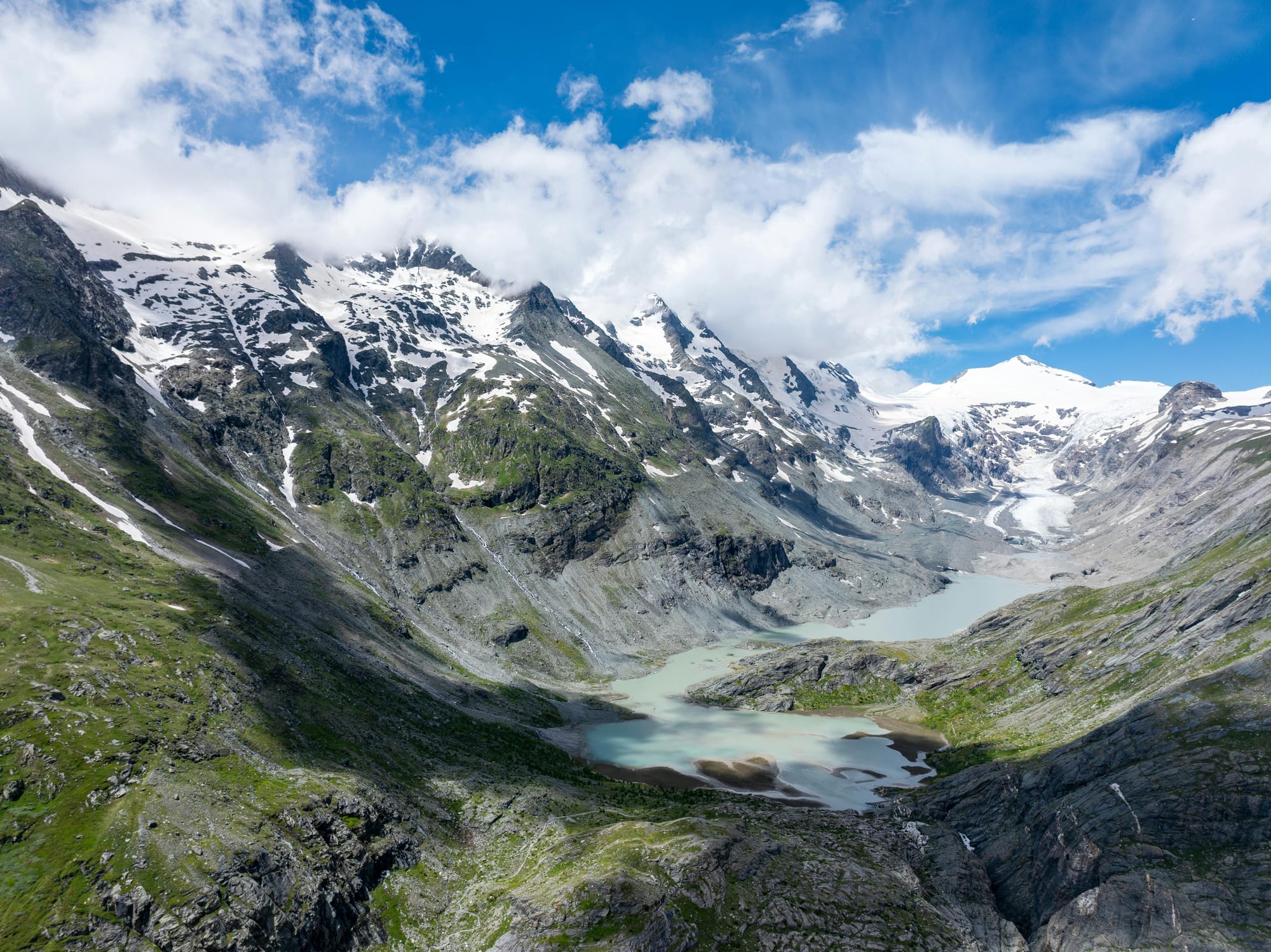
With its 266 peaks and 342 glaciers, it's difficult to fully grasp the magnitude of the untamed wilderness that this place has managed to preserve.
Whether you are arriving for the first time or returning after years away, the National Park Hohe Tauern offers an experience that few destinations in Europe can match.

The History Behind The National Park Hohe Tauern
Behind this large protected national park was a movement that began in the early 20th century.
It was when a group of naturalists and mountaineers noticed the accelerating pace of mining, hunting, and development in the Tauern mountain range.
This was followed by decades of negotiations between provinces, legal frameworks, and land use.
As a result of these negotiations, Hohe Tauern National Park was officially established in 1981, becoming the country's first national park.
In 2001, the International Union for Conservation of Nature (IUCN) awarded Hohe Tauern National Park Category II status—the highest international classification for a protected natural area—formally recognizing it as a natural area of global importance.
Today, the park is home to some 15,000 animal species, nearly a third of all the wildlife found in Austria.
Biodiversity here is not just an idea; it is felt in every meadow and seen on every ridge.
What's the plan in National Park Hohe Tauern?
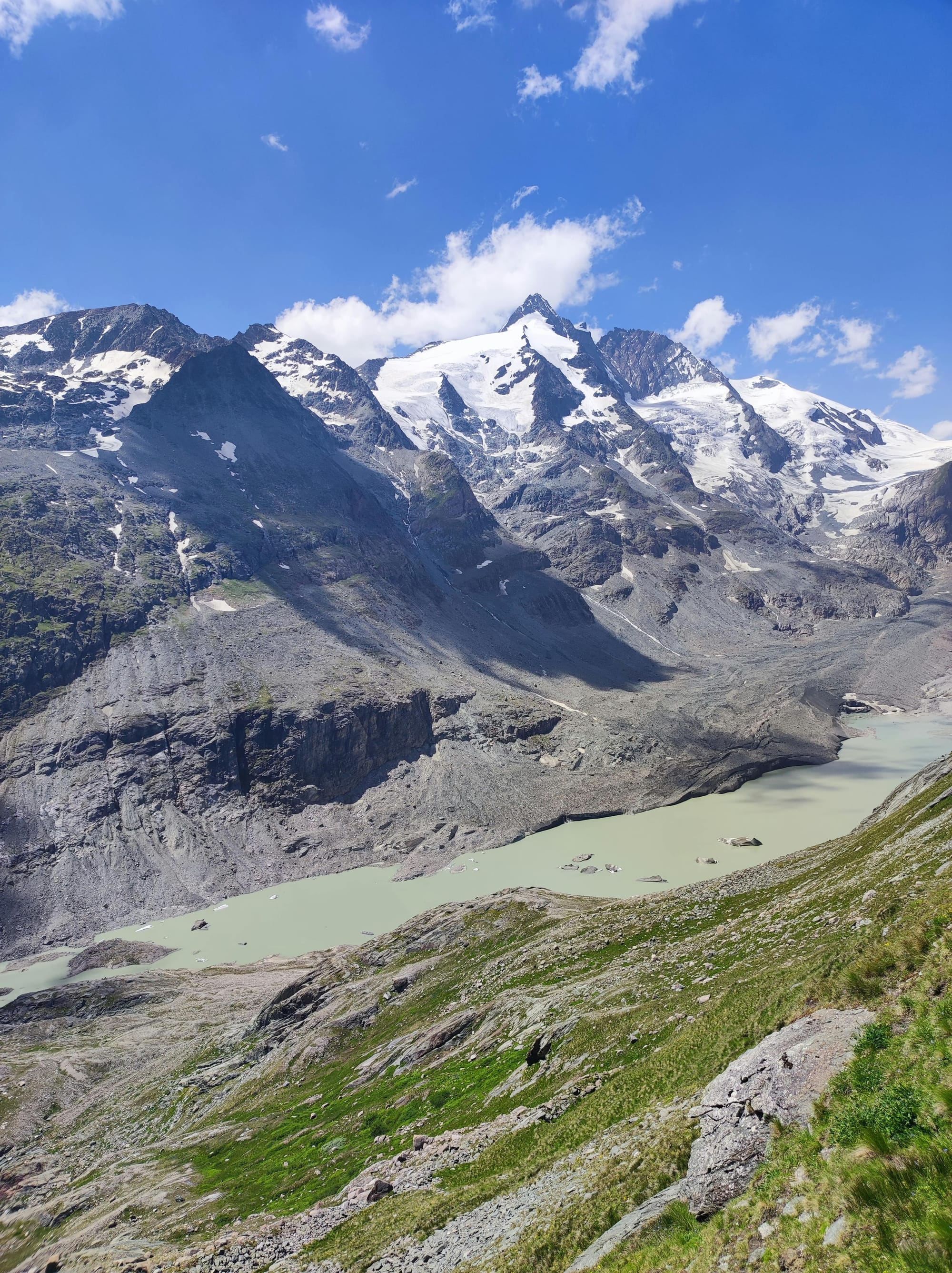
"From the highest peaks in Austria to the most impressive waterfalls in Europe, wherever your gaze is drawn, the landscape is radiant."
The Großglockner
Austria's highest mountain, at 3,798 metres, is the undisputed centerpiece of the national park Hohe Tauern. The Großglockner High Alpine Road — one of the most scenic drives in Europe — winds through the heart of the massif and offers extraordinary viewpoints accessible by car.
For those seeking a more physical challenge, the summit trail covers 17 km and gains over 1,700 metres in elevation. It is rated difficult and requires alpine experience, but the panoramic reward from the top is unparalleled.
Krimml Waterfalls
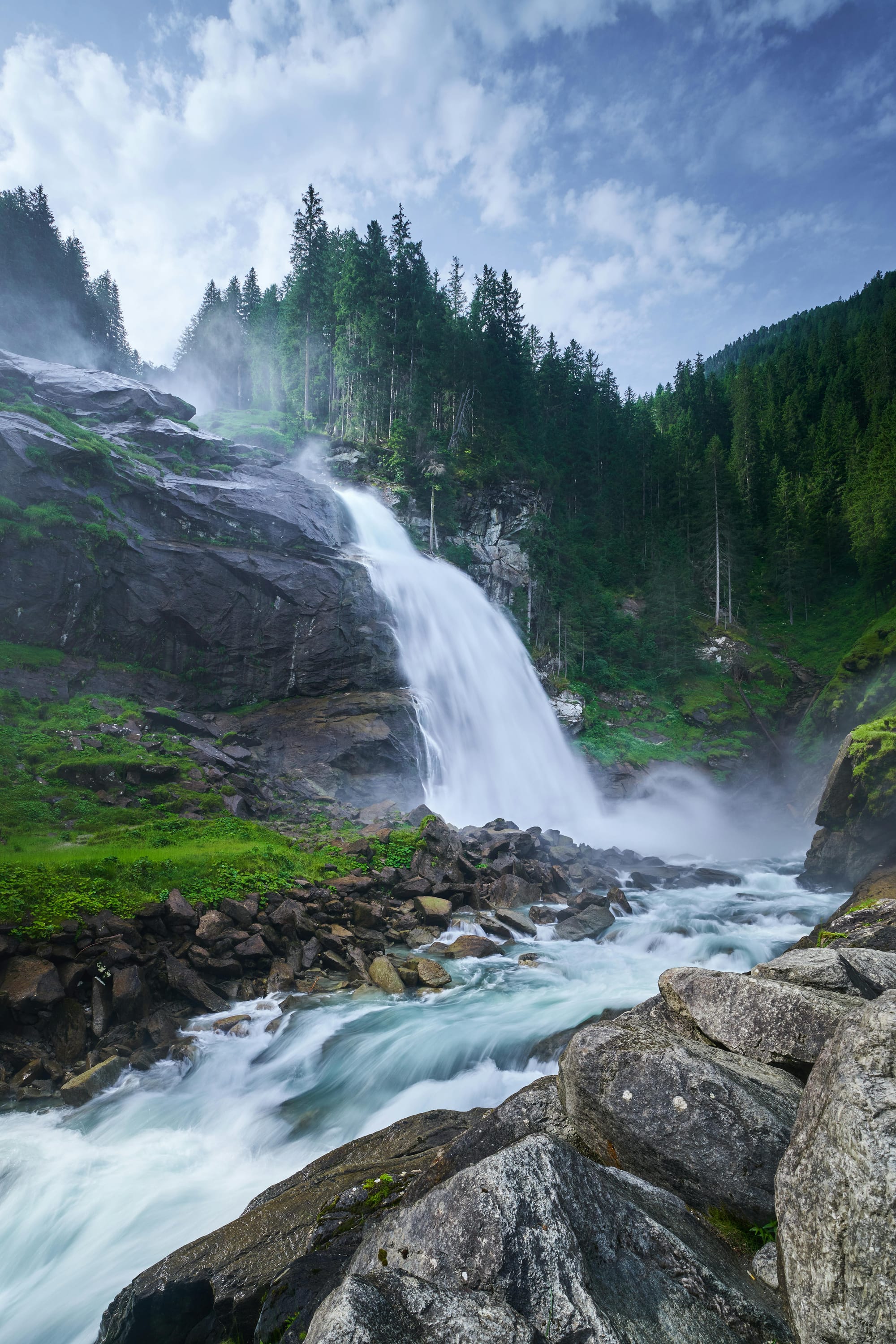
At the western edge of the park, the Krimml Waterfalls drop across three tiers for a total fall of 380 metres — the largest in Europe by volume and height. A trail running alongside the falls makes them accessible to most fitness levels, and the aerosol mist from the cascades creates a microclimate that has been recognized for its therapeutic air quality.
Visiting the National Park Hohe Tauern without stopping at Krimml is simply not an option.
Valleys, Lakes & Exhibition
Thirteen distinct valleys branch into the park's interior, each with its own character: the internationally recognized wilderness of the Sulzbach valleys, the glacier-fed lakes of the Kaprunertal, and the forested quiet of the Raurisertal.
The National Park Worlds exhibition center in Mittersill brings these landscapes indoors across 1,800 m² of interactive displays — from the Glacier World and Avalanche Dome to a 360° Panorama Cinema. It is open year-round (May–October, 9 a.m. to 5 p.m.; November–April, 10 a.m. to 5 p.m.).
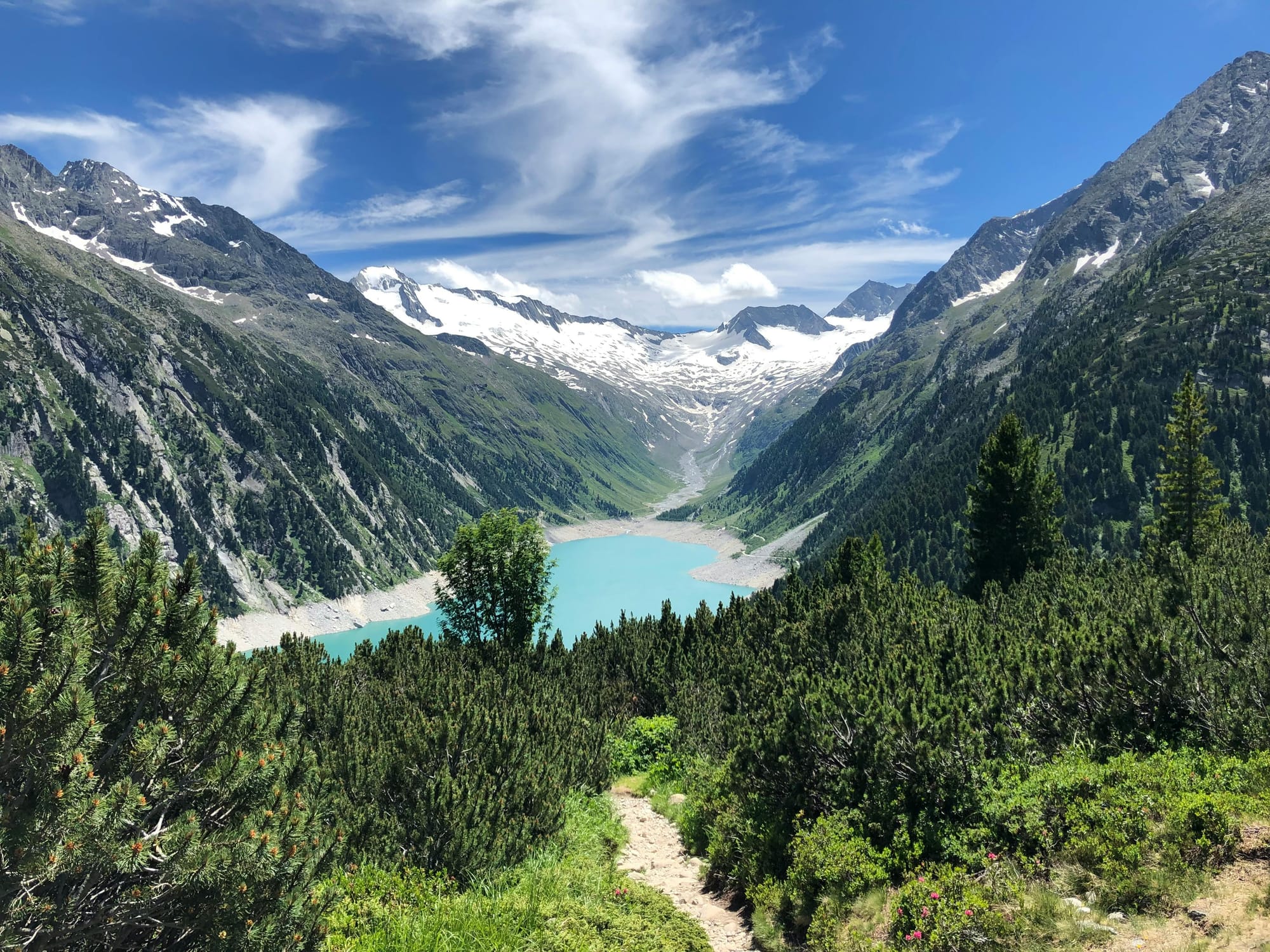
Beyond the highlights, the National Park Hohe Tauern offers guided ranger tours in summer and winter, themed nature trails designed for self-guided exploration, mountain biking routes, cross-country skiing, ski touring, and winter snowshoe excursions — an itinerary for every season and pace.
Entry Requirements, Costs & Getting There
Accessing the national park Hohe Tauern itself carries no entrance fee — the terrain is open and freely walkable. Specific attractions do carry admission charges.
The National Park Worlds exhibition in Mittersill operates the following pricing structure (2026, per official sources):
- Adults €15.00.
- Children & youth (6–14 years) €7.50.
- Children under 5 are Free.
- Reduced (students, apprentices, people with disabilities) €12.50.
- Family ticket (2 parents + children under 14) €35.00.
- Groups (15+ persons, per person) €10.50.
Holders of the Nationalpark SommerCard or WinterCard gain free admission to the exhibition center. The Großglockner High Alpine Road carries a separate toll for vehicles.
Getting into the National Park Hohe Tauern
The nearest international airports are Salzburg (approximately 100 km) and Innsbruck (approximately 130 km).
The ÖBB rail network connects to Zell am See and Mittersill, with regional buses reaching several valley trailheads.
The park offers an Erlebnisticket bundling train travel and exhibition admission at a discounted combined rate, bookable at nationalpark.at.
EU citizens require no visa; other visitors follow standard Schengen entry rules. No special permit is needed to hike within the National Park Hohe Tauern, though wilderness camping is regulated and must follow official park guidelines.
When to Visit and Who Comes Here
The national park Hohe Tauern is a year-round destination, though each season offers a genuinely different experience. Here is a practical overview:
- Summer (June – August)
- Peak season. All facilities open, trails accessible, wildflowers in bloom. Best for hiking, wildlife observation, and swimming in glacial lakes.
- Autumn (September – October)
- Quieter trails, golden larches, harvest festivals across the villages. Clear air and striking panoramic views without summer crowds.
- Winter (December – March)
- Ski touring, freeride terrain, snowshoe excursions, and guided winter ranger tours. Nationalpark WinterCard provides ski area access.
- Spring (April – May)
- Snow recedes from the valleys. A quieter transition season for those who prefer the landscape before the summer influx.
What type of travelers appreciate this place?
The visitor profile of the National Park Hohe Tauern is broad.
- Hikers and mountaineers form the largest group, drawn by trails ranging from gentle valley paths to serious technical ascents.
- Families find the combination of the interactive exhibition, ranger-led programs, and accessible nature trails well-suited for children of all ages.
- Wildlife enthusiasts come specifically to observe ibex, chamois, marmots, golden eagles, and the reintroduced bearded vulture — one of Alpine conservation's most celebrated success stories.
- Winter sports travelers are an increasingly significant presence, drawn by the ski touring routes and freeride opportunities that remain less crowded than major resort areas.
Just as supporting local communities is important, so is supporting independent journalism.
Plan V is an independent digital magazine dedicated to making your travels better experiences for both you and the destination.
Thank you for visiting; your support makes this possible.
FAQS
What is the national park Hohe Tauern?
National Park Hohe Tauern is Austria's oldest and largest national park, located in the Central Alps across the provinces of Salzburg, Carinthia, and Tyrol. Founded in 1981, it covers 185,600 hectares — making it the largest protected area in the entire Alpine region. Its landscape encompasses 266 peaks above 3,000 metres, 342 glaciers, the Krimml Waterfalls (Europe's largest), and a vast network of valleys and mountain lakes.
What animals live in National Park Hohe Tauern?
The park is home to approximately 15,000 animal species — around one third of all fauna found in Austria. Among the most notable are Alpine ibex (Capra ibex), chamois, marmots, red deer, and the reintroduced bearded vulture (Gypaetus barbatus), one of the most significant wildlife conservation achievements in the Alps. Bird life is rich and includes golden eagles, ptarmigan, and numerous migratory species.
What hiking routes are available in the national park Hohe Tauern?
National Park Hohe Tauern offers trails for every level of experience.
- Gentle valley walks are available in most of the park's 13 valleys, including the Sulzbach, Raurisertal, and Kaprunertal, and are suitable for families with children.
- Mid-level hikers can explore the themed nature trails and balcony paths with glacier views, many accessible via cable car.
- The most demanding route is the ascent of the Großglockner — a 17 km, 1,700 m gain trail rated difficult, requiring alpine experience and appropriate equipment.
How large is the national park Hohe Tauern?
National Park Hohe Tauern covers 185,600 hectares (1,856 km²), extending approximately 100 km from east to west and 40 km from north to south.
Of its total area, 54% consists of glaciers, rock faces, rubble fields, and dwarf shrub meadows; 32% is subalpine and alpine pasture; 9% is forested; and the remainder encompasses alder and mountain pine shrubs and water bodies.
It is the largest national park in Austria and the largest protected natural area in the entire Alpine region across Europe.
 Pamela Herrera