What to Do in Spain? Beyond the Obvious: Burgos, Girona & Val d'Aran
A slow guide to three Spanish destinations where locals still outnumber tourists — with real food, real stays, and no influencer queues.


If you're looking for what to do in Spain without retracing the same worn tourist loop, the answer isn't a new app or a secret Facebook group. It's geography.
I know, I know — Spain always sounds like the same story: paella on La Rambla, selfies at the Prado, sangria somewhere off Gran Vía. But here's the thing: the best version of Spain doesn't come with a three-hour queue or an overpriced menu del día.
Spain's most compelling experiences sit quietly in cities and valleys that most itineraries skip entirely.
Now, I cover three of them: Burgos, Girona, and Val d'Aran — each with a distinct identity, a table worth sitting at, and a place to lay your head that belongs to the land it stands on.
Still looking for a bonus? All three are incredibly family- and budget-friendly once you get past the airfare.
Tickets to these regions are often significantly cheaper than flying directly into Madrid or Barcelona — and the experience? So much richer.

What to Do in Spain?
First Stop: Where Gothic Architecture Meets the Real Castile, Burgos
Burgos served as the capital of the unified Kingdom of Castile and León for five centuries. Its cathedral — the only one in Spain with its own UNESCO World Heritage designation (1984), independent of the city's historic centre — was begun in 1221 and took over 500 years to complete.
The result is a full chronicle of Gothic architecture: from 13th-century French Gothic to 15th-century Flamboyant details. Its twin towers rise 84 metres. Under the central dome, El Cid and his wife Doña Jimena are buried. The cathedral's Golden Staircase directly inspired the grand staircase of the Paris Opéra Garnier — a fact few visitors know.
A few kilometres away, the prehistoric site of Atapuerca (also UNESCO-listed) contains human fossils dating back 1.5 million years. It's one of the most significant paleoanthropological sites on Earth.

What to do in Spain's medieval heartland:
- Walk the Camino de Santiago through Burgos's old quarter — the route passes directly through the city.
- Visit the Museum of Human Evolution, which houses original Atapuerca fossils.
- Cross the Río Arlanzón on the Paseo del Espolón, a 19th-century promenade that comes alive at dusk.
Where to eat real Spanish food?
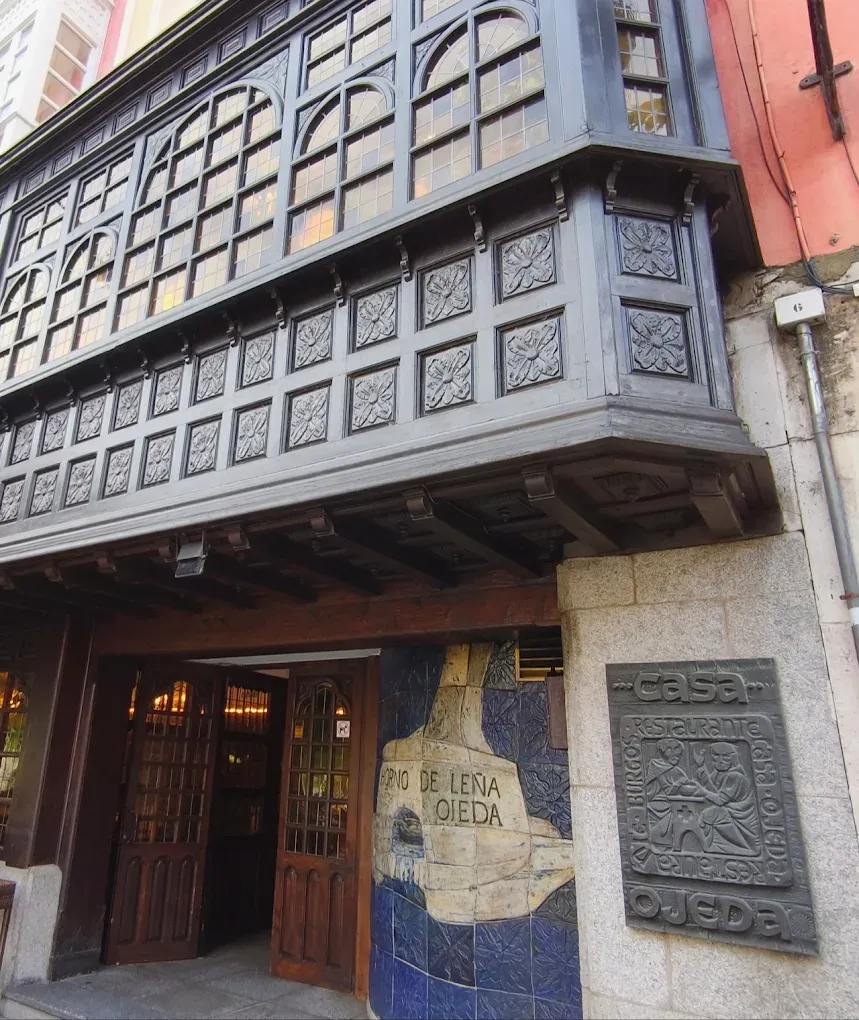
Casa Ojeda (Calle Vitoria, 5) has been run by the Carcedo Ojeda family since 1912. It remains a genuine institution of Castilian cooking — not a tourist trap, but a multigenerational business where Burgos residents go for special occasions and weekday lunches alike.
The ground-floor bar is lively and inexpensive; the upper dining rooms are set with white tablecloths and wood-carved walls. Order the lechazo asado — milk-fed lamb slow-roasted in a wood-burning oven — and start with morcilla de Burgos, the city's famous blood sausage. Pair it with a Ribera del Duero (Designation of Origin). Guía Repsol has recognised the restaurant for its impeccable product sourcing and continuity.
If you like this guide, you can DONATE to support independent journalism.
Second Stop: The Medieval City That Played Westeros: Girona
Located 98 km north of Barcelona and reachable by train in under an hour, Girona is one of Europe's most intact medieval cities.
Its Gothic Cathedral — with the widest Gothic nave in the world — crowns 90 Baroque steps that Game of Thrones fans will recognise as the Great Sept of Baelor (Season 6).
The Jewish Quarter, El Call, is one of the best-preserved in all of Europe and now houses the Museum of Jewish History. The Arab Baths (Banys Àrabs) date to the 12th century. The city's medieval walls are free to walk and offer panoramic views over the red-tiled roofscape.
What to do in Spain if you love layered history: Girona's old town has Roman walls, Romanesque cloisters, a Gothic cathedral, and Baroque facades all within 15 minutes' walking distance of each other.

Where Locals Eat
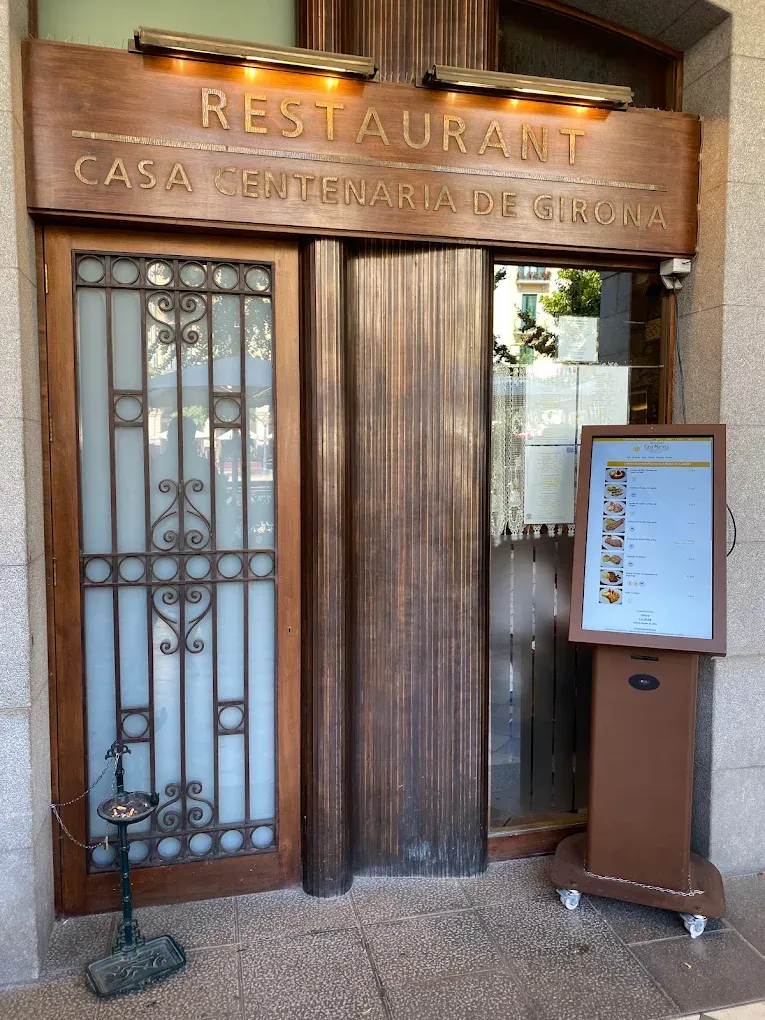
Casa Marieta (Plaça de la Independència, 5) has served traditional Catalan cuisine since 1892, over five generations of the same family.
The menu is seasonal and market-based, with no concession to tourist trends. Dishes rotate with the calendar; regulars come for the ànec amb peres (duck with pears), the bacallà amb allioli (salt cod with garlic cream), and the xuixo de Girona — a fried pastry that is the city's edible signature.
The dining room has wooden beams and stone walls; the food is honest, generous, and locally sourced. The lunch menú del día is exceptional value.
What to do in Spain? Explore Girona
- Walk the full length of the medieval walls for free — panoramic views over a skyline unchanged since the Middle Ages.
- Explore El Call independently or with a heritage guide — the Jewish Quarter's network of alleys was used as Braavos in Game of Thrones Season 6.
- The Eiffel Bridge (Pont de les Peixateries Velles), built by Gustave Eiffel's firm, spans the River Onyar and looks directly onto Girona's colourful riverside houses.

Last Stop: Europe's Last Atlantic Valley: Val d'Aran
Still looking for what to do in Spain? Well, Val d'Aran covers 620 km² at the heart of the Central Pyrenees, in the extreme northwest of Catalonia.
It is Spain's only valley with an Atlantic climate — the reason its forests are dense, its summers green, and its winters reliably snowy. In 2014, it became the first mountain destination in the world to receive international Biosphere Reserve certification.
The valley is home to 33 stone, slate, and wood villages, each with its own Romanesque church — most built in the 12th and 13th centuries. Three languages are spoken daily here: Spanish, Catalan, and Aranese (a living Occitan dialect). The Garonne River, which flows through Bordeaux and into the Atlantic, has its source here at Pla de Beret.
What to do in Spain's most remote valley:
- Follow the Romanesque Route through 15 churches, guided in summer by the Conselh Generau d'Aran.
- Hike to the Aigüestortes i Estany de Sant Maurici National Park — one of the park's main entry points is inside the valley.
- In winter, ski Baqueira Beret — Spain's largest ski resort, with 2,166 ha of skiable terrain and 165 km of pistes

Indulge in local flavors
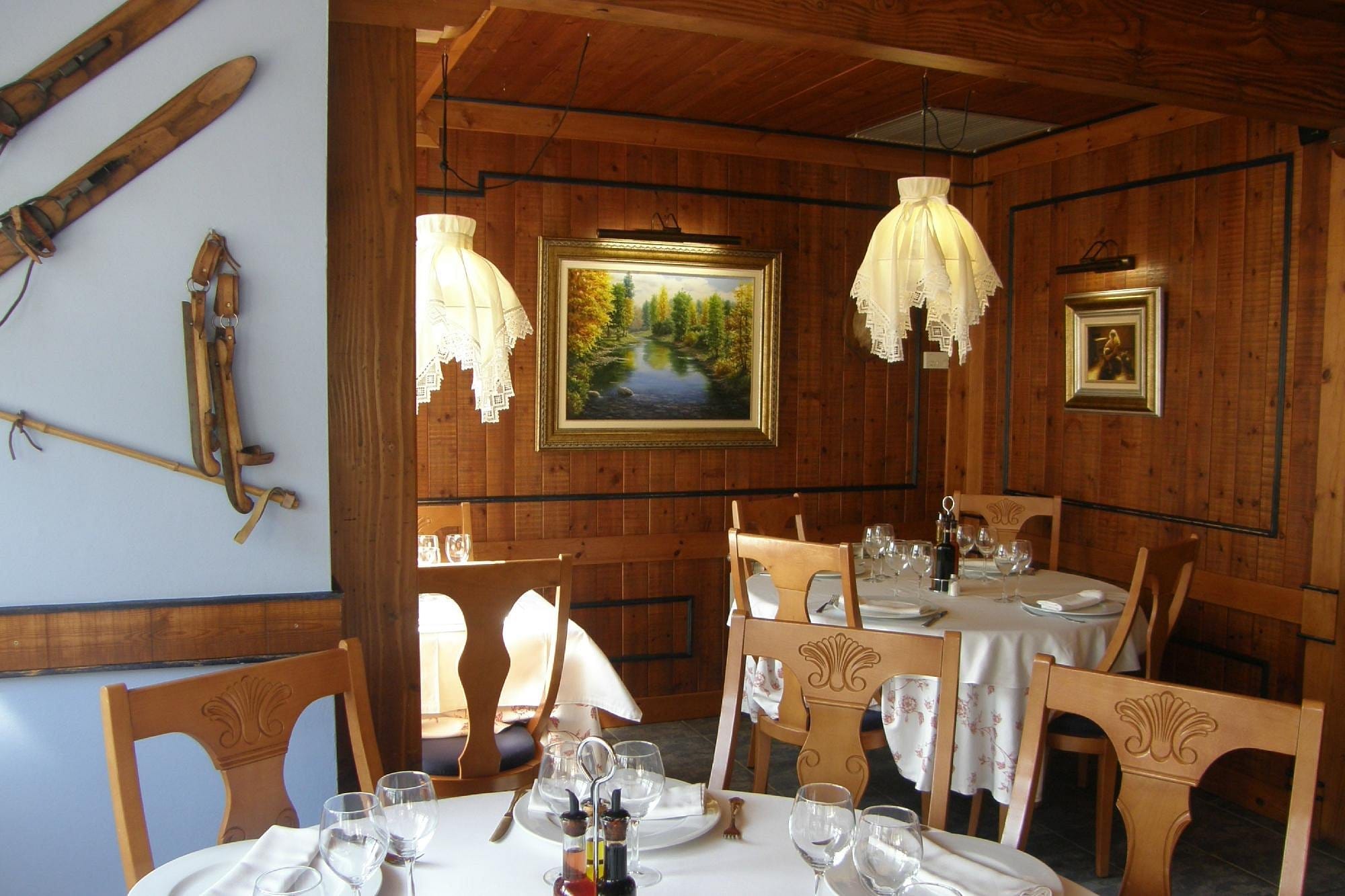
Era Lucana (Vielha) has been run by Margarita and Emilio for over 30 years. The restaurant is quiet, unhurried, and rooted in Aranese tradition. This is where people who live in the valley eat, not a place that has appeared on a national food list.
Order the Olla Aranesa — a mountain stew of meats, vegetables, and pulses that has been made in this valley since before the road to France was built. The restaurant also serves chuletón (aged rib steak), trout, and seasonal mushroom dishes. The wine list draws from across Spain's denominations of origin.
Planning Notes
Best time to visit and what to do in Spain:
- Burgos: spring (April–June) and early autumn — the Camino is most beautiful then.
- Girona: April–October; avoid peak August if you prefer quieter streets.
- Val d'Aran: December–March for skiing; July–September for hiking and the Romanesque Route guided visits.
Getting there
- Burgos is 3.5 hours from Madrid by bus or road.
- Girona has its own airport (Girona–Costa Brava) and a direct train from Barcelona (approx. 40 minutes).
- Val d'Aran is 3 hours from Barcelona by road via the Vielha tunnel, or 2 hours from Toulouse (France).
I'm so glad you made it this far. Plan V is an independent magazine, and your donation allows me to continue doing this.
See you soon.
Thank you!
FAQS
What should I not miss in Spain?
Beyond the obvious stops of Madrid and Barcelona, the experiences that stay with you are the ones tied to place and time. Walking the Camino de Santiago through Burgos at dawn before the crowds arrive, sitting in Girona's Jewish Quarter on a Tuesday evening when the tour groups are gone, or watching the Garonne River run through Val d'Aran in early autumn.
Prioritise one region over three rushed cities. Spain's depth is regional — the food, language, architecture, and character change every 200 km.
Is $1,000 enough for a week in Spain?
Yes, if you plan deliberately. In cities like Burgos or Girona — outside of peak season — a clean double room in a locally-run guesthouse runs €50–80/night.
A full menú del día (three courses with wine) at a traditional restaurant costs €12–18 at lunch. Coffee is €1.50. Museums like Burgos's Museum of Human Evolution are free on certain days. A realistic breakdown for a moderate week: accommodation (~$400), food (~$280), transport (~$150), activities (~$100) — that's roughly $930.
Val d'Aran runs higher, especially in ski season, when rooms at family hotels start around €90–120/night.
What not to do in Spain as a tourist?
A few things you must know:
- Don't eat dinner before 9 pm (restaurants often won't be ready for you, and you'll be seated alone).
- Don't tip as you would in the US or Mexico— rounding up or leaving small change is the norm; 10% is generous.
- Don't assume Spanish is the only language — in Catalonia, the Basque Country, and Val d'Aran, local languages are a point of cultural pride; a simple gràcies in Catalan or merci in Aranese goes a long way.
- Don't visit overloaded monuments without booking ahead — and don't photograph people without asking. Spain has been dealing with overtourism tension for years; being a respectful, slower-paced traveller is genuinely appreciated.
What is the £97 a day rule in Spain?
It is not a new law targeting tourists, but it sounds alarming when headlines frame it that way. Under the Schengen Borders Code (EU Regulation 2016/399), all non-EU nationals entering the Schengen Area — including UK citizens after Brexit — may be asked to demonstrate they have sufficient financial means for their stay. The Spanish government sets this at €113.40 per person per day (approximately £97), with a minimum of €972 regardless of trip length. You are not required to spend that amount — only to show you have access to it, via cash, a credit card, or a bank statement. The rule has been in effect since January 2022. In practice, enforcement at borders is rare for travellers with a confirmed hotel booking and a return flight, but it is legally valid and worth knowing if you are a non-EU visitor.
 Pamela Herrera