Estadio Azteca, Mexico City, Rewrote Football History AGAIN
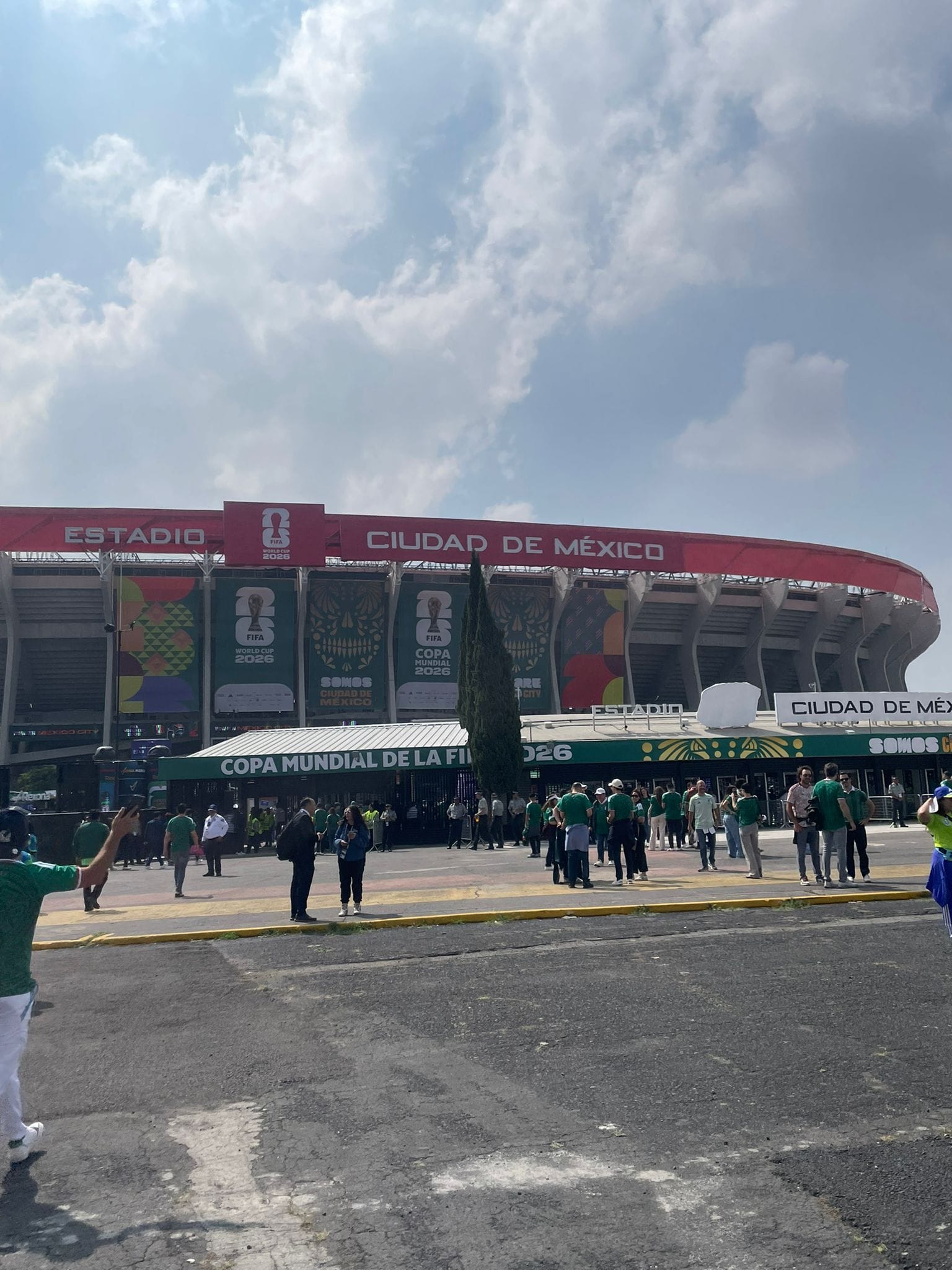
Estadio Azteca, Mexico City, is not just a stadium; it is a culture. It hosted two World Cup finals and opened the 2026 FIFA World Cup.

There may be hundreds of thousands of stadiums, but in the history of football, one stands out, and unsurprisingly, it's Mexican. The Azteca Stadium in Mexico City is not only the largest stadium in all of Latin America, but also the most historically significant colossus in the sport.
It was built on a volcanic area south of the capital and opened its doors on May 29, 1966. Since then, it has written the history of legends, set world records, and accumulated moments that no other stadium in the world has.
To Understand the Estadio Azteca in Mexico City
The Estadio Azteca in Mexico City was designed by architects Pedro Ramírez Vázquez and Rafael Mijares Alcérreca. They shared a mission: to make this stadium a venue worthy of the world's most important football event.
Construction began in 1961 and cost 260 million Mexican pesos. Its maximum capacity was 112,000 spectators, making it the largest football stadium of its time. Now, with renovations still underway, it has a maximum capacity of 87,523 spectators.
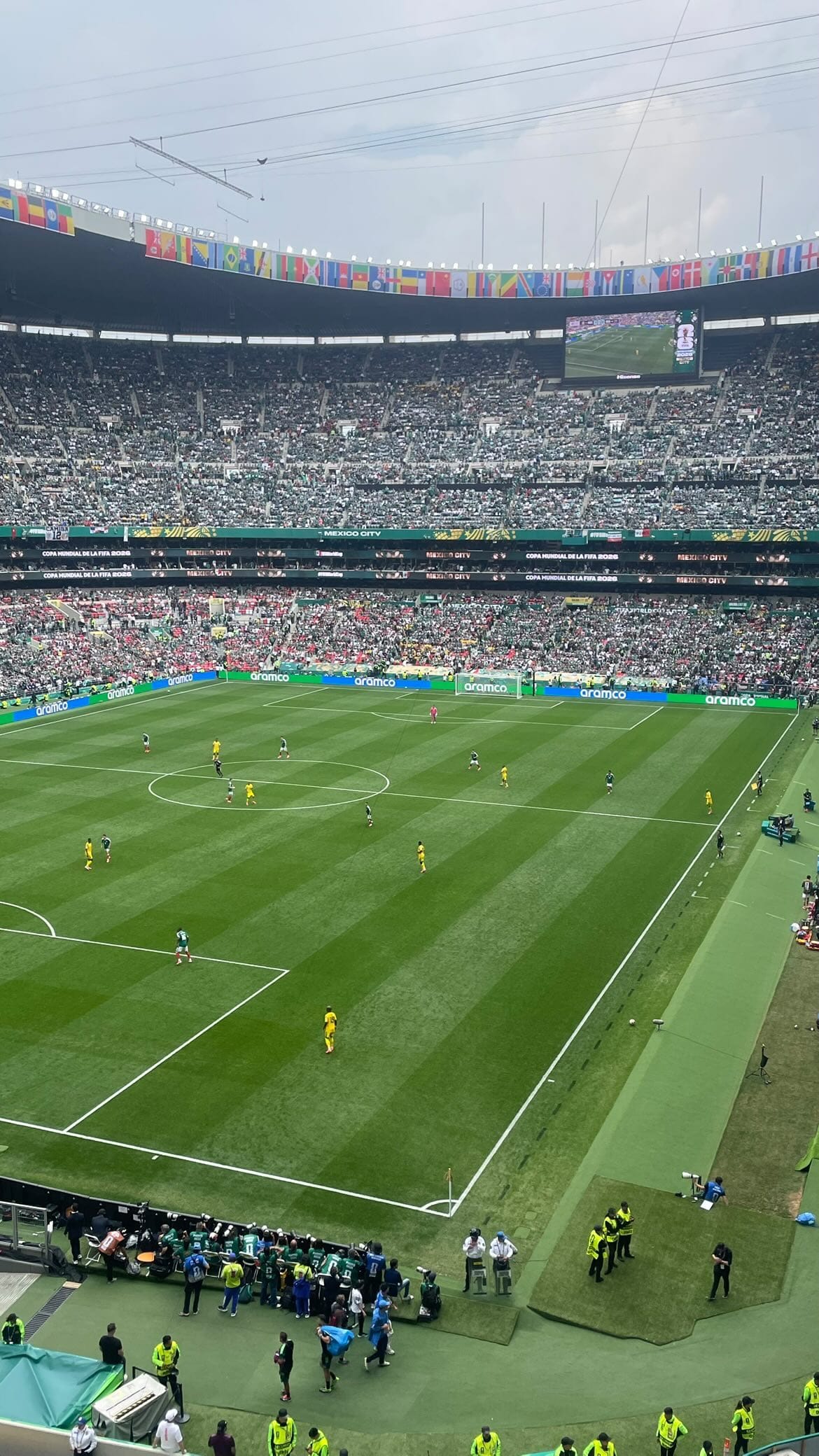
The Estadio Azteca in Mexico City sits 2,200 meters (7,200 feet) above sea level, a detail that has worn down visiting teams for generations.
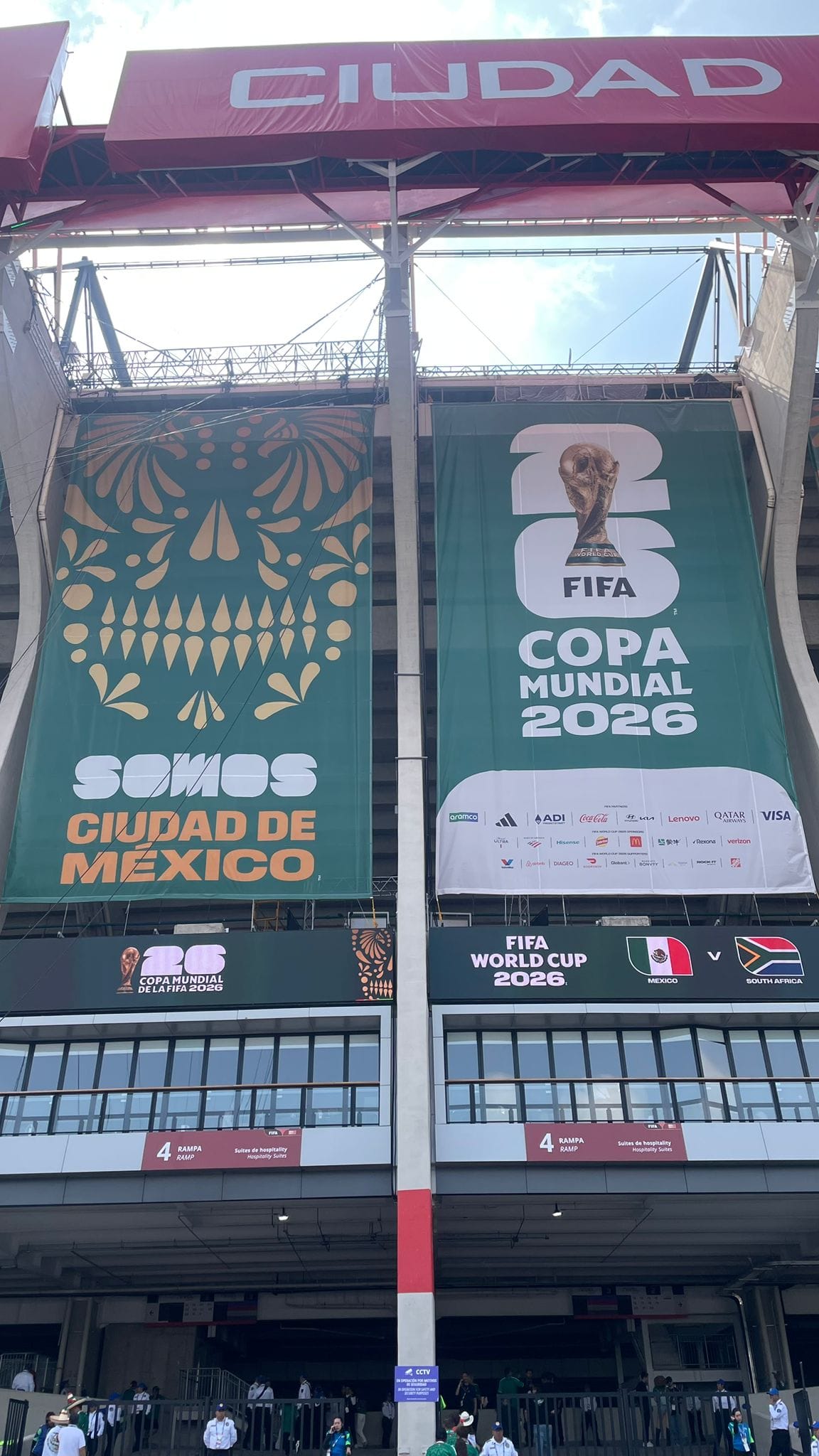
Its current operator is Ollamani S.A.B., and Televisa owns it. For FIFA's 2026 World Cup, the venue is officially listed as "Mexico City Stadium," following the organization's policy of removing commercial names during tournaments.
The Records That Belong Only to the Azteca
As I said before, no place in the world has as much history in sport as the Estadio Azteca in Mexico City. Here are some:
- Only stadium to host two FIFA World Cup Finals: 1970 (Brazil 4–1 Italy) and 1986 (Argentina 3–2 West Germany).
- Largest football attendance record in Mexico: 119,853, set during a Mexico vs. Brazil match on July 7, 1968.
- Largest boxing attendance in history: 132,247, for the Julio César Chávez vs. Greg Haugen fight on February 20, 1993.
- Site of the "Goal of the Century": Diego Maradona's solo run past six England defenders in the 1986 World Cup quarterfinal.
- Host of the 1968 Olympic Games athletics events — the first Olympics held in Latin America.
- The eighth-largest football stadium in the world by current capacity.
- The stadium that gave the Mexican national team its first victory in an opening match of the World Cup in 2026.
The 1986 World Cup also cemented the Azteca as the birthplace of the "Mexican Wave," the crowd phenomenon that spread from this stadium to venues worldwide.
A Place that Unites an Entire Country
For Mexicans, the Estadio Azteca in Mexico City is not a private sports venue. It functions as the country's de facto national stadium — the home of the Mexican national team and Club América, and the stage where Mexican football identity was shaped and tested.
The name itself was a deliberate choice. "Azteca" was selected as a post-revolutionary identity statement, connecting the stadium to the pre-Columbian civilizations that once dominated Mesoamerica.
During construction, workers even uncovered mammoth remains beneath the volcanic rock, adding an unplanned layer of historical depth to the site.
When earthquakes struck Mexico City in 1985 — among the deadliest in the country's history — the stadium held. That resilience became part of its mythology. The Azteca has outlasted disasters, political changes, economic crises, and six decades of weight-bearing crowds.
It is one of the few structures that all Mexicans, regardless of team allegiance, regard with a shared sense of pride.
The 2026 FIFA World Cup: A Third Chapter
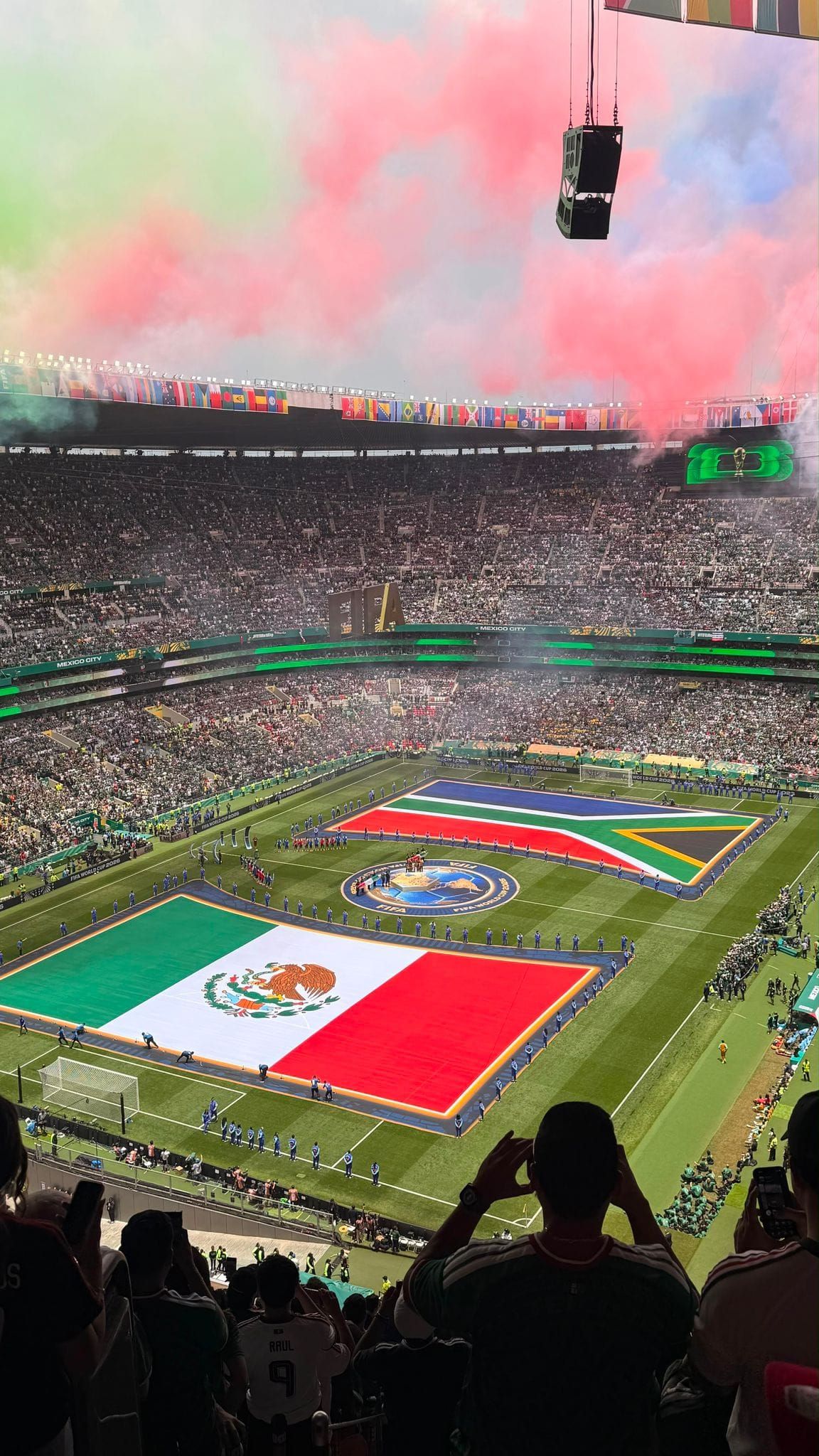
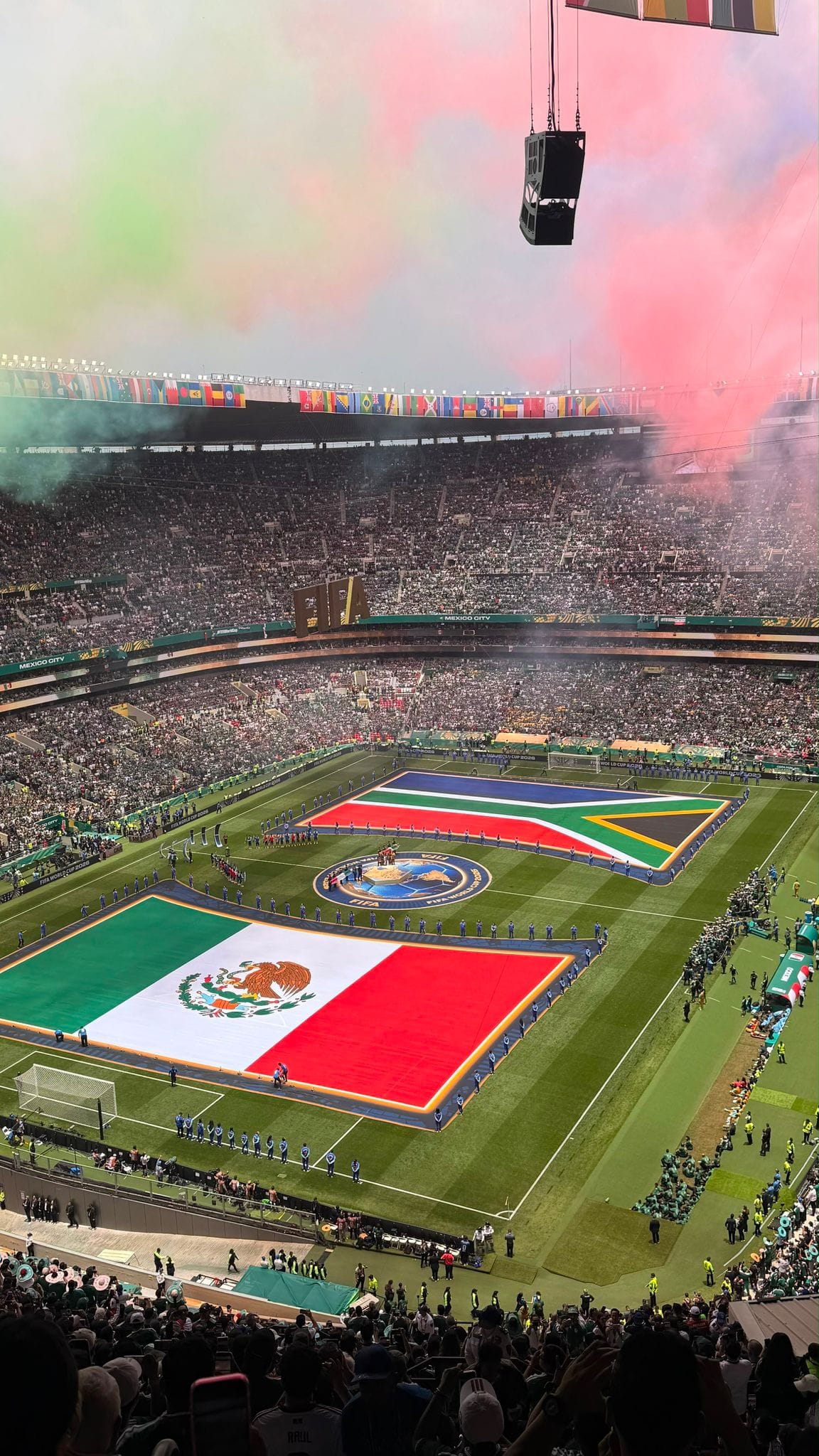
The Estadio Azteca in Mexico City became the first stadium in history to host three World Cup opening matches on June 11, 2026, when Mexico faced South Africa in the first game of the expanded 48-team tournament.
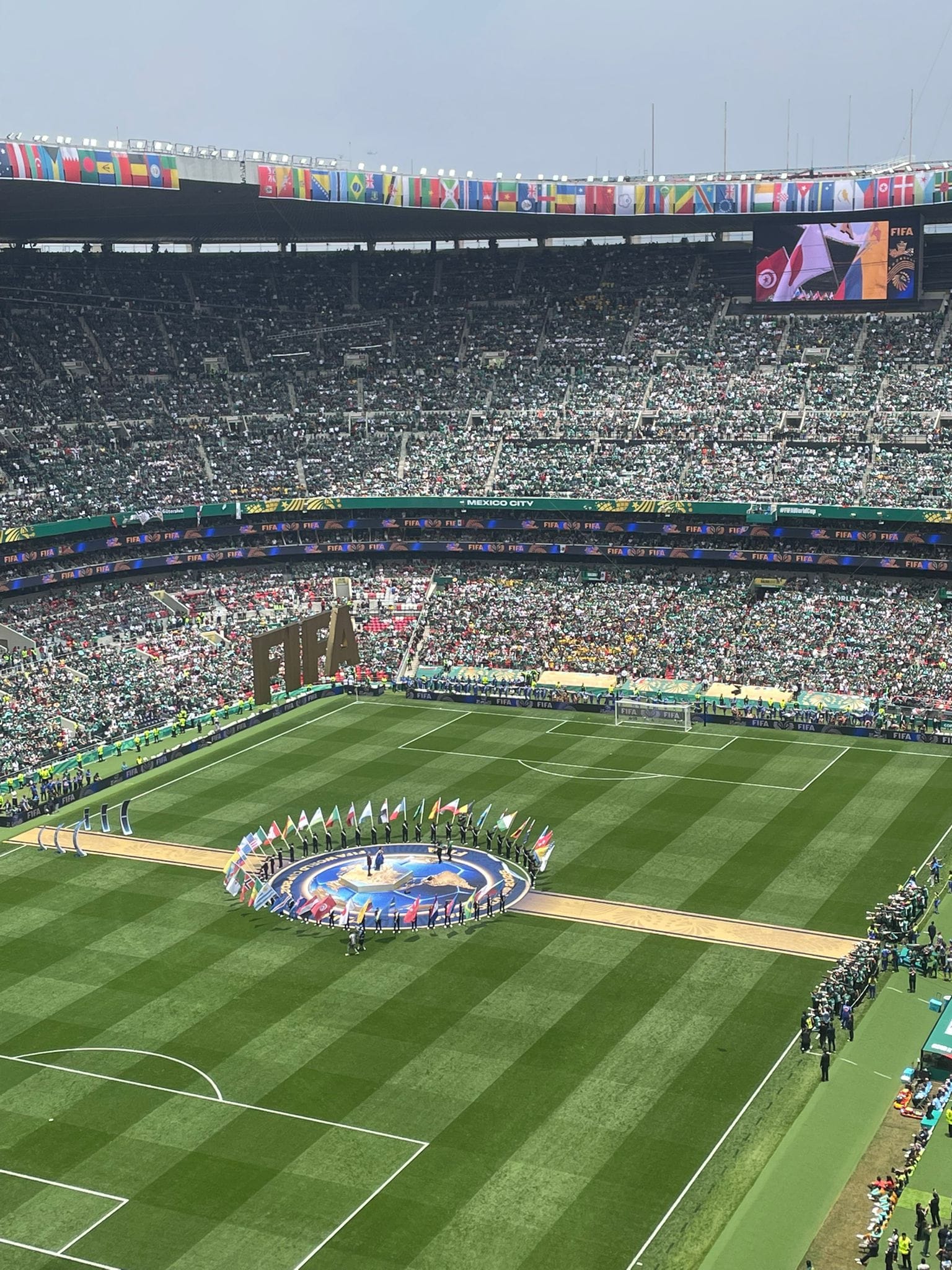
The opening ceremony began at 11:30 a.m. local time and featured performances by Shakira and Burna Boy (performing the official anthem "Dai Dai"), Mexican rock band Maná, J Balvin, Danny Ocean, and Alejandro Fernández, who performed the Mexican national anthem. The ceremony opened with a dance tribute to Aztec culture, filling the pitch with colorful performers.
Mexico won the match 2–0, with Julián Quiñones scoring in the opening 10 minutes and Raúl Jiménez adding a second in the second half.
FIFA's decision to award Mexico the opening match — over co-hosts the United States and Canada — was an explicit nod to the Azteca's historical weight.
The Estadio Azteca in Mexico City had undergone extensive renovations between 2024 and 2026, officially reopening in March 2026 with FIFA President Gianni Infantino present. Capacity was restored to 87,523, and the roof was repaired to meet modern standards.
Just as supporting local communities is important, so is supporting independent journalism.
Plan V is an independent digital magazine dedicated to making your travels better experiences for both you and the destination.
Thank you for visiting; your support makes this possible.
FAQS
What is the capacity of Estadio Azteca in 2026?
The official capacity is 87,523 seats, making it the largest stadium in Mexico and in Latin America, and the eighth-largest football stadium in the world. This follows renovations completed in early 2026 ahead of the FIFA World Cup.
How was the 2026 World Cup opening ceremony in Mexico?
The opening ceremony took place on June 11, 2026, at the Estadio Azteca in Mexico City. It began 90 minutes before kickoff with performances by Shakira, Burna Boy, Maná, J Balvin, Danny Ocean, and Alejandro Fernández. The ceremony included a tribute to Aztec culture. Mexico then defeated South Africa 2–0 in the opening match, with goals from Julián Quiñones and Raúl Jiménez.
Which stadium is larger, GNP or Azteca?
The Estadio Azteca in Mexico City is significantly larger. Its capacity is 87,523, while the Estadio GNP Seguros (formerly Foro Sol) holds up to 65,000 for concerts and 25,000 for baseball. Wikipedia's entry for Estadio GNP Seguros confirms it as the second-largest concert venue in Mexico City, with the Azteca listed as the largest.
What is the most famous stadium in Mexico?
The Estadio Azteca, Mexico City, is universally recognized as Mexico's most famous stadium. It is the only venue in the world to have hosted two FIFA World Cup Finals (1970 and 1986), and in 2026 became the first stadium to host a third World Cup. It holds the highest football attendance record in the country and has been home to some of the most iconic moments in the sport's global history.
 Pamela Herrera