WELCOME to Åland, Finland: The ONLY demilitarized region in Europe
Little is said about this place, in the middle of the sea, where no country can establish military bases. Let me introduce you to the autonomous region of Finland: Åland.

Åland, Finland, represents a unique destination where Swedish culture, Finnish governance, and Nordic nature converge. The islands' commitment to sustainability, combined with their rich maritime heritage and autonomous identity, creates an experience unlike any other in the Baltic region.
Autonomous Island Paradise
A land in the middle of the Baltic Sea that, although it belongs to Finland, is more accurately recognized as an autonomous region. It is here that more than 6,500 islands form what we know today as Åland, Finland.
It is in Fasta Åland, the largest island in the archipelago, where 90% of the total population of these islands is concentrated.
At the end of World War I, when Finland gained independence from Russia, the League of Nations granted Finland sovereignty over Åland with a single condition: to guarantee the population their Swedish culture, language, local customs, and system of self-government.
Now, although Åland belongs - in a way - to Finland, its official language is Swedish, and no, the natives are not required to learn Finnish.
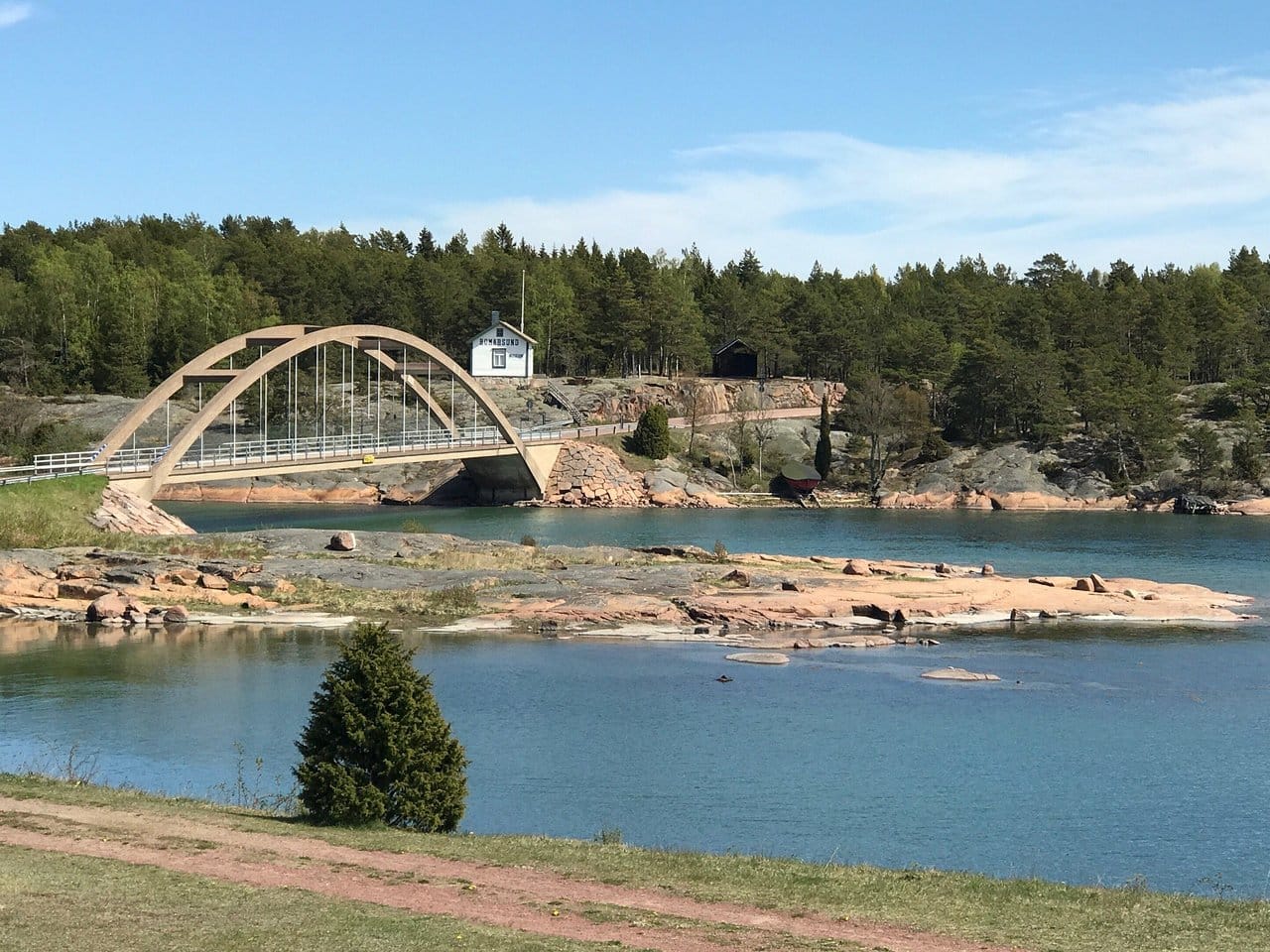
Åland is internationally recognized for its demilitarized and neutralized status, which dates back to 1856 when British and French forces destroyed the Russian fortress of Bomarsund during the Crimean War. This unique status was confirmed by the League of Nations in 1922 and later reaffirmed in the 1947 Treaty of Paris.
Now, Åland, Finland, is a symbol of peaceful autonomy and a region WITHOUT military bases.
You must know some of its history
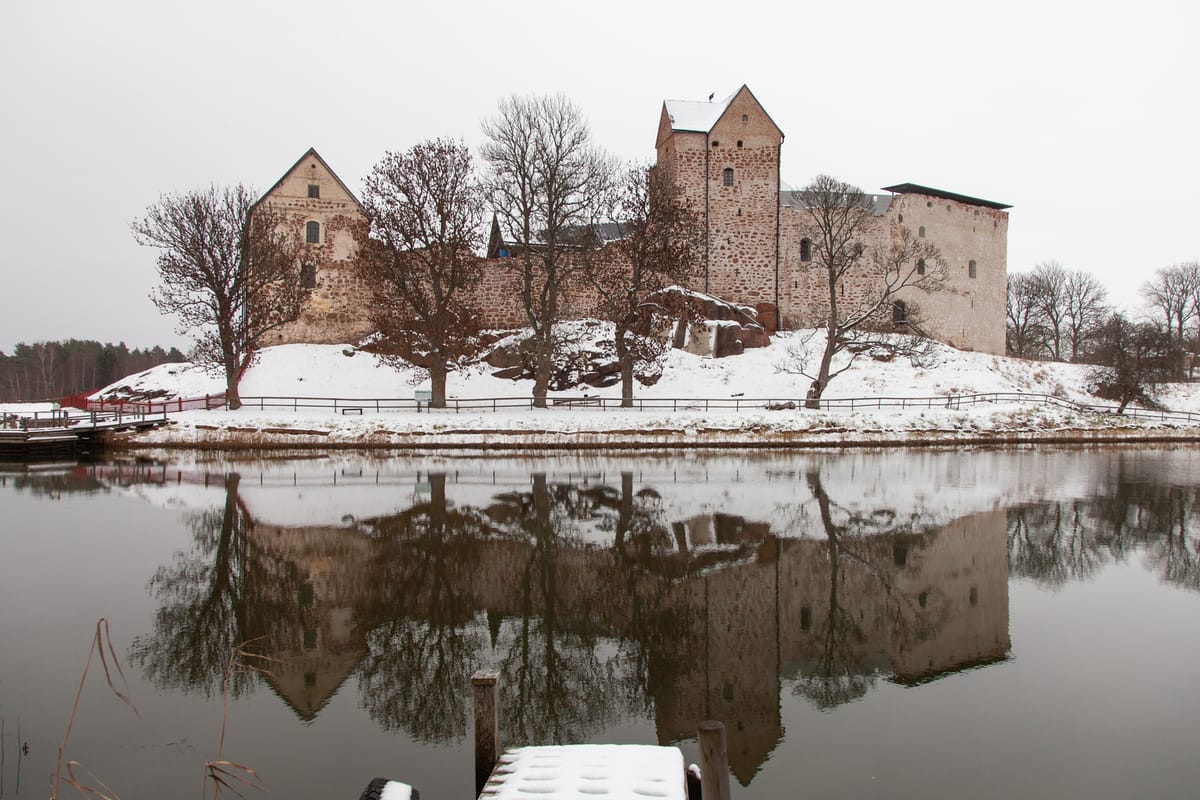
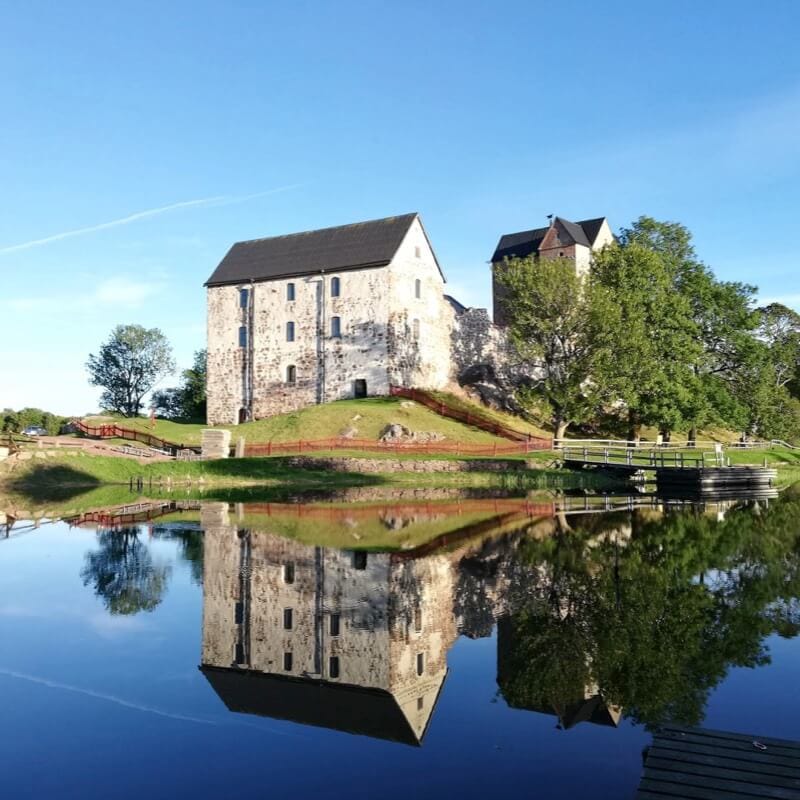
The first inhabitants arrived on Åland, Finland, approximately 7,000 years ago, drawn by the archipelago's rich fishing and seal hunting opportunities. Throughout the medieval period, the islands flourished under Swedish rule. The Kastelholm Castle, first mentioned in historical records in 1388, served as a residence for Swedish kings, including Gustav Vasa, and even held King Erik XIV as a prisoner in 1571.
The maritime heritage runs deep in Åland's cultural identity. During the golden age of sailing ships in the late 19th and early 20th centuries, Mariehamn emerged as a major shipping center.
The town was founded in 1861 by Russian Czar Alexander II and named after his wife, earning its unofficial title as "the world's smallest metropolis" with just 11,700 inhabitants today. The museum ship Pommern, a four-masted steel-hulled barque from 1903, stands as the only remaining vessel of its kind and serves as a proud symbol of this maritime legacy.
Ålanders take immense pride in their distinct cultural identity, which blends Swedish language and traditions with Finnish citizenship and Nordic values. The people are known for their deep connection to the sea—locals often incorporate compass directions into everyday conversation and remain acutely aware of wind conditions. This maritime mindset shapes everything from navigation to daily planning.

The taste of Åland, Finland
The archipelago's culinary scene showcases this pride in local production.
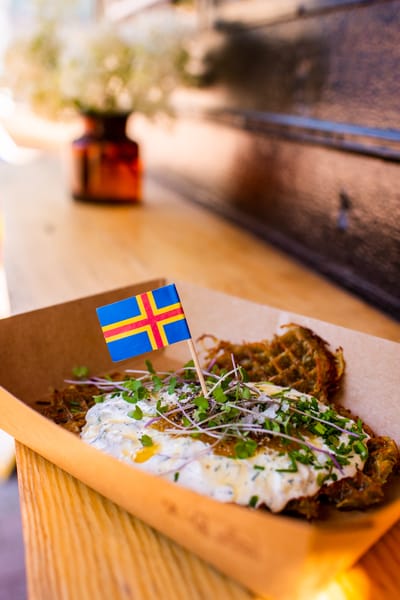
Åland boasts its own dairies, breweries, bakeries, chocolate makers, apple juice producers, and numerous food artisans. Locally sourced ingredients define the cuisine: freshly smoked perch, whitefish, pike, pikeperch, Baltic herring, and autumn roe deer are staples.
The tradition of craftsmanship extends to beer production, with establishments like Pub Stallhagen brewing five different beers using traditional small-scale methods.
Visiting it feels like
Despite the proximity of the sea, a distinctive Åland, Finland, tradition involves summer houses—even many islanders who live near water maintain additional cottages for vacation retreats. In the tight-knit community of Åland, it often seems that everyone knows everyone, or at least shares common acquaintances. The smallest municipality in Finland, Sottunga, perfectly illustrates this intimacy with only about 90 inhabitants.
Ålanders are working toward an ambitious goal: becoming totally sustainable by 2051. The Parliament and Provincial Government set this target in 2014, along with seven strategic objectives to achieve by 2030, including reducing carbon dioxide emissions by 60%, ensuring all water is of good quality, and establishing sustainable consumption and production practices. More than 20 tourism facilities have already achieved the international Green Key certification, with the Nordic Ecolabel (Nordic Swan) awarded to select establishments.
What to do in Åland?
First, let's go through the museums and history.
- Kastelholm Castle: This 14th-century castle complex includes the Jan Karlsgården Open-Air Museum, Vita Björn Prison Museum, and Smakbyn restaurant and distillery.
- Bomarsund Fortress ruins: story of Åland's 19th-century Russian occupation. Construction began in 1832, but in 1854, during the Crimean War, British and French naval forces, involving 14,000 soldiers and 80 ships, forced the Russians to surrender.
- Åland Maritime Museum: The museum's new visitor experience, "The Pommern – 100 days under sail" transports visitors back to the 1930s for a fictional voyage around the world aboard the adjacent museum ship.
- Cultural History Museum of Åland: traces the region's 7,500-year history from the first seal hunters to today's global, diverse society through permanent exhibitions.
You can also enjoy the islands outdoors. Some of the most popular activities among locals and visitors are:
- Cycling: the flat terrain, extensive network of bike paths, and ferry connections between islands create ideal cycling conditions. Bikes can be brought on ferries or rented in Mariehamn.
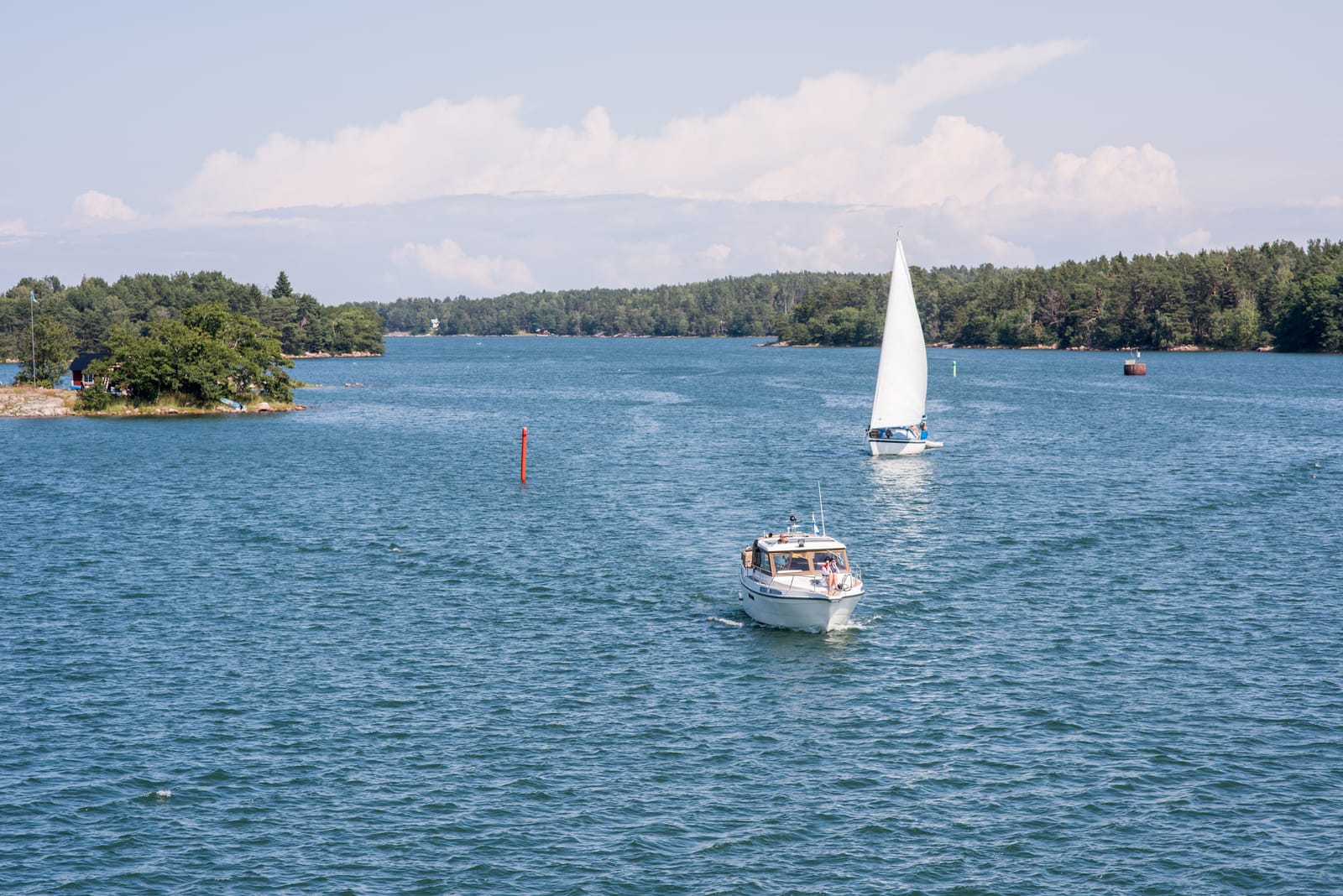
- Island hopping via Åland's internal ferry system allows visitors to explore the archipelago's diverse character. The Southern Line (Södra linjen) connects Galtby, Kökar, Kyrkogårdsö, Husö, Sottunga, Föglö, and Långnäs.
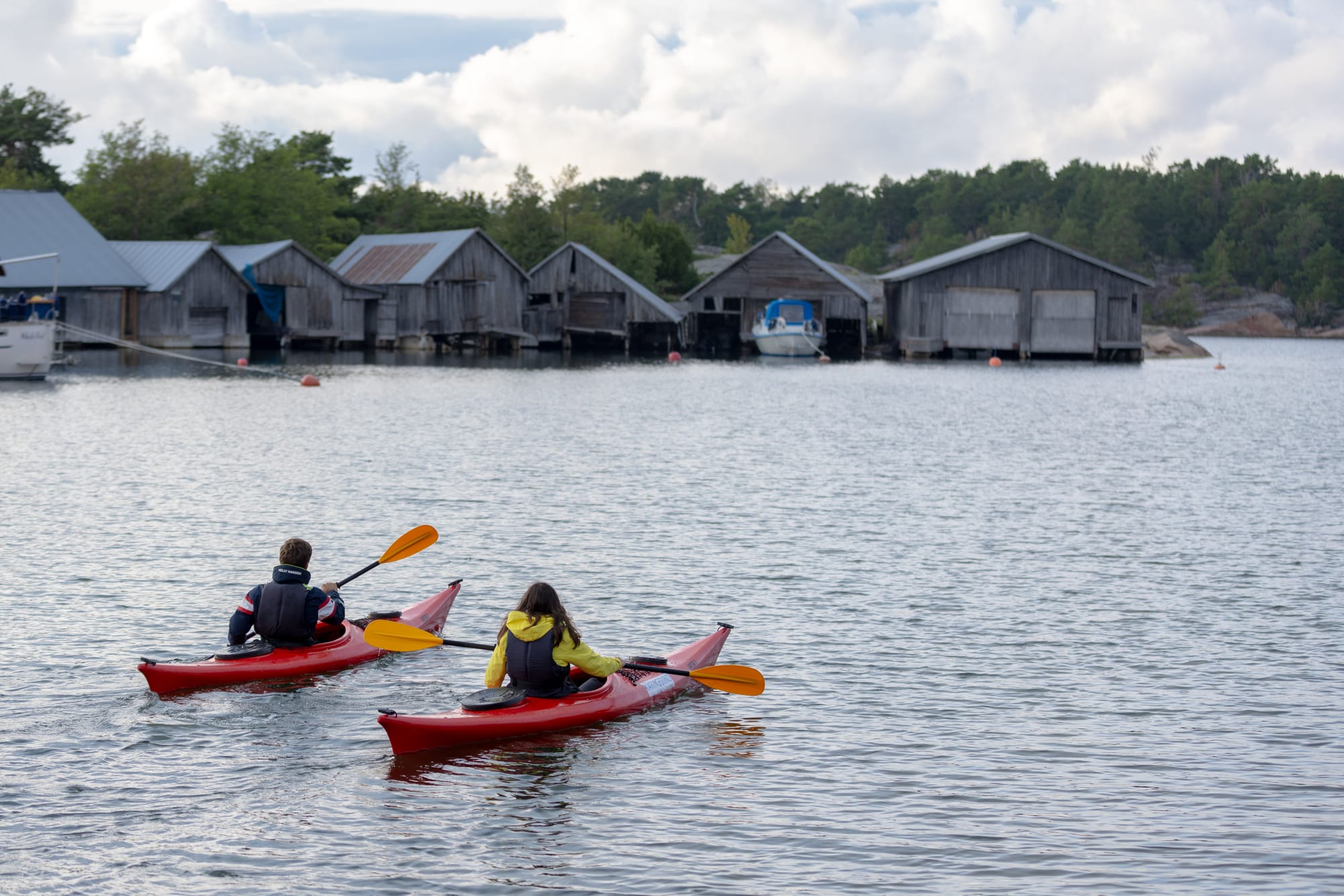
- Kayaking and canoeing provide intimate encounters with the archipelago's shallow inlets and open seas. SUP (stand-up paddleboarding) presents another way to explore, including SUP yoga sessions.
- Seal spotting tours depart during the summer months, taking visitors to observe these marine mammals in their natural habitat without bothering them.
- Disc golf courses have been established in 11 of the 16 Åland municipalities, offering free year-round play.
How to get to Åland?
Ferry Services for 2026
Tallink Silja Line operates multiple daily ferry services connecting Åland with Finland, Sweden, and Estonia:
- Turku–Åland–Stockholm route: Daily departures with stops at either Mariehamn (afternoon sailings) or Långnäs (night sailings). Journey time is approximately 11 hours total from Stockholm to Turku.
- Helsinki–Åland–Stockholm route: Daily overnight cruises departing late afternoon/early evening, arriving the following morning.
Tickets can be purchased through the Tallink Silja website, their mobile app, or at ferry terminals. The company accepts various payment methods and offers different cabin classes from standard to executive suites.
Viking Line provides daily year-round ferry connections:
Stockholm–Åland–Turku route:
- Morning sailings (Viking Glory): Depart Stockholm at 07:45, arrive Turku at 19:50.
- Evening sailings (Viking Grace): Depart from Turku at 20:55, arrive in Stockholm at 06:30.
- Stops at Långnäs for night sailings and Mariehamn for afternoon sailings.
Passengers without cars can use the free transfer bus between Långnäs (28 km from Mariehamn) and the capital.
Tickets for Viking Line can be booked at its official website, through its mobile app, or at terminals. Children ages 0-5 travel free, ages 6-11 receive 50% discount, and ages 12-17 receive youth discounts. Pets are welcome on all routes with advance notice.
I'm so glad you made it this far. Plan V is an independent magazine, and your donation allows me to continue doing this.
See you soon.
Thank you!
FAQS
Is Åland worth visiting?
Absolutely. Åland, Finland, offers a unique combination of experiences that distinguish it from typical Scandinavian destinations. The archipelago provides exceptional opportunities for nature lovers, history enthusiasts, and anyone seeking tranquility.
Is Åland Swedish or Finnish?
Åland represents a unique political and cultural entity: it is an autonomous region of Finland with Swedish as its only official language and culture. Following World War I, the League of Nations awarded Finland sovereignty over Åland in 1921, but with strict conditions requiring Finland to guarantee the population's Swedish language, culture, and self-government. Today, over 93% of Ålanders speak Swedish as their mother tongue, and the islands maintain their own parliament (Lagtinget), flag, and postage stamps.
What is Åland famous for?
Åland has earned international recognition for several distinctive qualities. The region's maritime heritage stands foremost—during the golden age of sailing, Mariehamn emerged as a major shipping center, and today the museum ship Pommern represents the only remaining four-masted steel-hulled barque of its kind. The islands gained fame through the 1921 League of Nations decision that established modern principles for autonomous regions and minority rights protection, making Åland a landmark case in international law.
What to do in Åland?
Åland offers diverse activities across all seasons. Cycling enthusiasts can explore hundreds of kilometers of bike paths connecting islands via free ferries, following routes like the historic Old Postal Route. History buffs should visit Kastelholm Castle (14th century) and Bomarsund Fortress ruins, where British and French forces defeated Russian troops in 1854. The Åland Maritime Museum and the museum ship Pommern provide immersive experiences into seafaring life, while the Cultural History Museum traces 7,500 years from the first settlers to modern times. Outdoor adventurers can kayak through sheltered bays, join seal spotting tours, fish in Baltic waters, or try disc golf at eleven courses across the municipalities. Island hopping via the internal ferry system allows exploration of unique communities like Sottunga (Finland's smallest municipality with 90 residents) and Kökar.
 Pamela Herrera